Français
 English
 Deutsch
 עברית
עברית Português
Did you know that in 1938, on the heights of Meudon, a Brazilian agent hid a briefcase of German documents a few metres from the Imperial Cedar? The energy she found around the Imperial Cedar gave her the power to make two presidents review their position — and with them, the course of the Second World War.
1938 · Brazil’s most beautiful woman, sent as a secret agent
In the late 1930s, Nazi Germany approached Getúlio Vargas (1882 – 1954), president of Brazil, to bring his country into the Axis coalition then forming with Italy and Japan. Vargas admired the new German regime for its efficiency, and Brazil traded heavily with it. He hesitated. To decide, he wanted eyes in Europe.
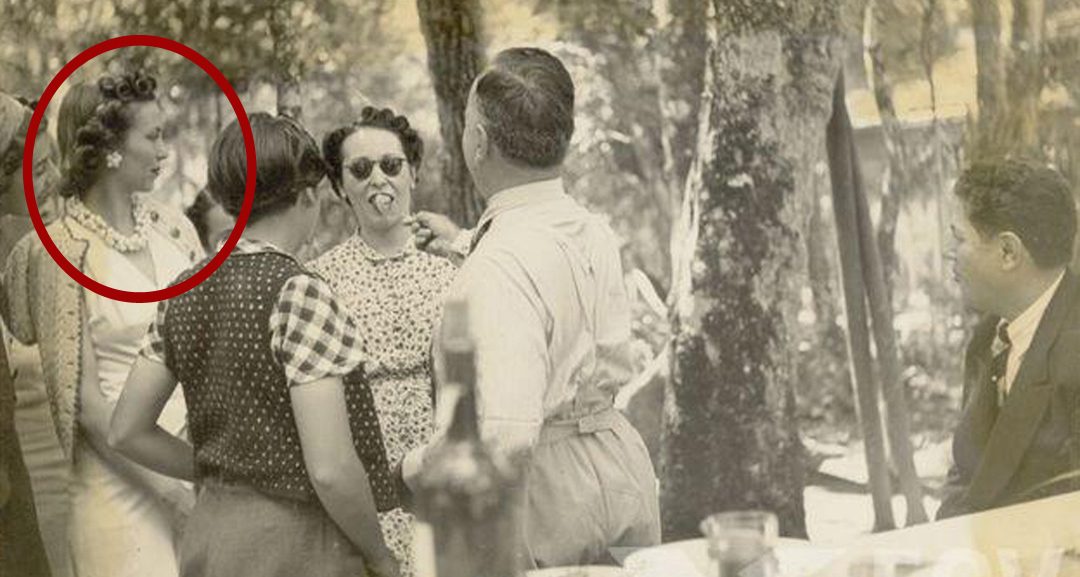
He sent Aimée Sotto Mayor to Paris — to find out what was really being prepared there, so that Brazil could choose accordingly. The cover suited her: the daughter of two modest schoolteachers from Castro was to play a wealthy young woman with nothing on her mind but fashion, the French language and parties.
Paris, and a young woman nobody could place
Aimée Sotto Mayor arrived like a bombshell. She took rooms at the Plaza Athénée, one of the most prestigious hotels in the city. Paris society was not accustomed to a young woman living on that scale without a husband, and the puzzle was itself a form of protection: everyone talked about her, nobody suspected her.
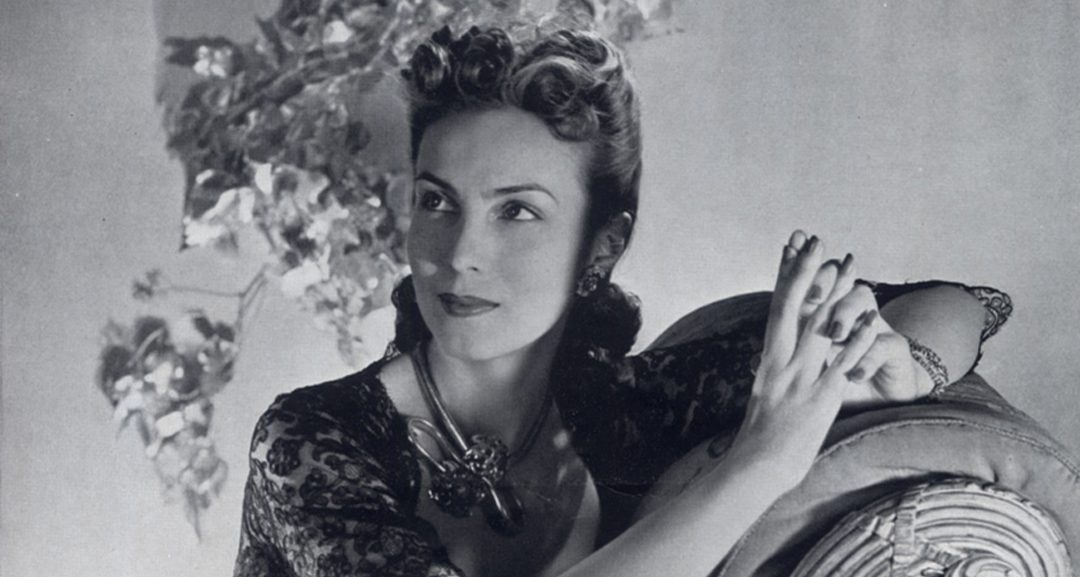
Bettina Ballard, then editor-in-chief of American Vogue in Paris, left an account of that season in her memoir In My Fashion.
“I particularly remember the season when Aimée was lionized in Paris. She was so pretty, so genuinely nice, carried gaiety with her like a fan, and she was almost eaten alive. Hung with diamonds, she was pushed from fittings to balls, never allowed a moment for private conquest, because every hostess needed her for her party to prove that she could draw the lioness of the season. Aimée just wanted to dance and flirt and have fun. That wasn’t what Paris expected of her.”
Bettina Ballard, In My Fashion1938 · Coco Chanel shows her Meudon, and the Cedre Imperial
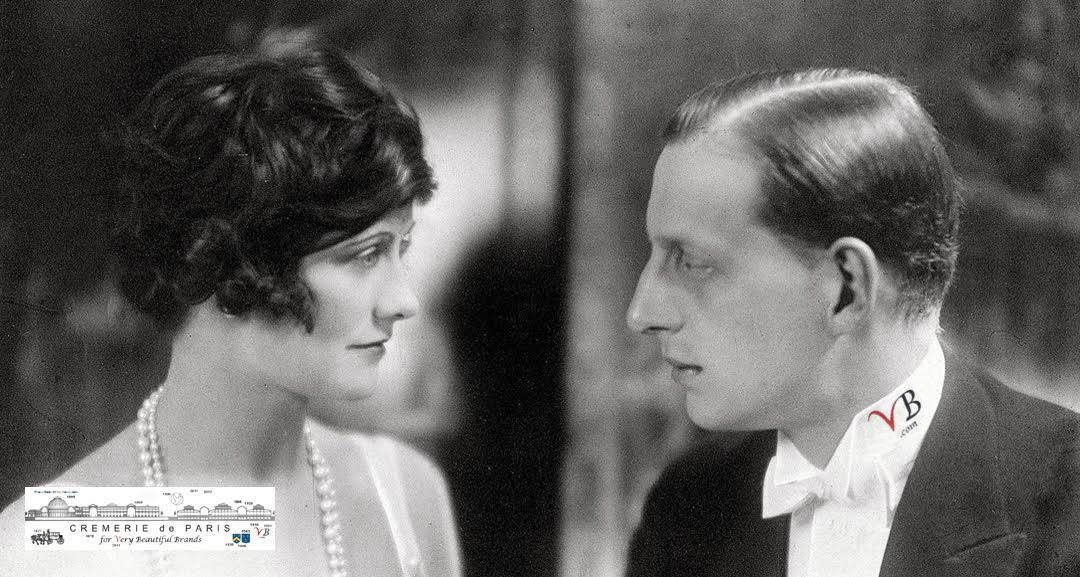
Coco Chanel (1883 – 1971) was fascinated by her. A friendship formed, and the designer took Aimée to Meudon, to see a tree said to be a gift of the Empress Joséphine (1763 – 1814) and to carry a legend: that it passes on strength and good energy.
Chanel was a deeply superstitious woman, who believed in the power of signs — the number five, the camellia, the energy of a particular tree. One may find that eccentric; she is remembered all the same as one of the most influential designers in the history of fashion.
Through Chanel, Aimée also met Dmitri Romanov (1891 – 1942), the couturière’s former companion, cousin of the fairy-tale Anastasia Romanov (1901 – 1918) and of Boris Romanov (1877 – 1943), owner of the no longer existing Château Sans Souci at 91 route des Gardes, Meudon-Bellevue. Meudon had by then become home to a large Russian community that had fled the Revolution — the subject of chapter 3.
1938 · A briefcase, and a change of side
Helmuth James von Moltke (1907 – 1945) belonged to the German establishment: a lawyer, from the family of the Prussian field marshal Helmuth von Moltke, connected to everything that counted in Berlin. His mother was South African, which had given him a horizon wider than most of his circle, and many Jewish families turned to him for help in moving their assets out of Germany. He would later be one of the founders of the Kreisau Circle of resistance, and was executed in January 1945.
Moltke handed Aimée a briefcase of highly confidential documents on what Germany was preparing — plans very few people had seen. The meeting changed her: from an agent gathering information to order, she became a resistant, someone who had chosen a side.
Keeping such papers at the Plaza Athénée was out of the question. She found a place for them in a small room at Meudon, in the rue de la République, a few steps from the Imperial Cedar. When she needed quiet, she went to the Gare Montparnasse, disappeared into the crowd and took a train towards Versailles, getting off at Meudon. Nobody would have looked for the it-girl of the fashion capital in a modest building on a hillside street.
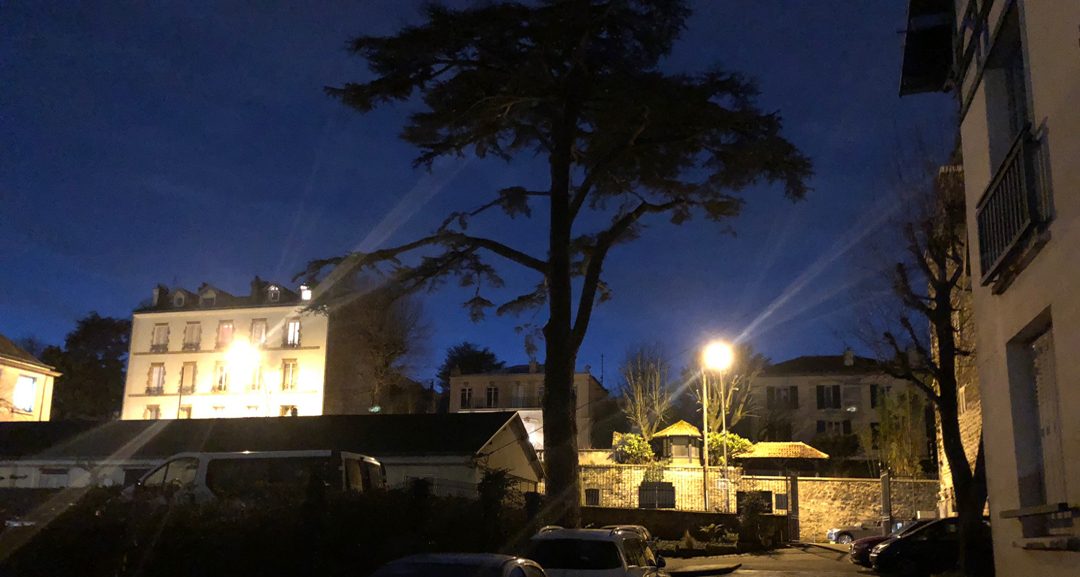
The energy of the Imperial Cedar, helping with a difficult mission
Two capitals to convince: Rio, then Washington
The easier task was Brazil: keeping Vargas away from the Rome–Berlin axis. The economic ties with Germany were strong, but the president listened to her as he listened to no one else. Through 1938 and 1939 she succeeded in delaying any thought of signing anything with Germany.
Alzira Vargas, the president’s daughter and Aimée’s friend, helped keep Aimée’s name out of the official state papers — and away from the pro-Nazi factions inside the Brazilian government.
Brazil moved into a period of neutrality and eventually declared war on Germany and Italy in August 1942 — that much is a matter of record.
Washington was another matter. She had met Franklin D. Roosevelt (1882 – 1945) in Rio in 1936, but the president had been re-elected on a promise to keep the United States out of the coming European conflict, and he was in no hurry to receive a young Brazilian woman carrying anti-Nazi intelligence.
Aimée’s idea: connect with the president through one of his sons. How to meet him?
The Christmas season was coming, and the American embassy in London was preparing multiple receptions. The ambassador was Joseph P. Kennedy (1888 – 1969), assisted by his wife Rose (1890 – 1995). Aimée booked a flight to London and a room at Claridge’s.
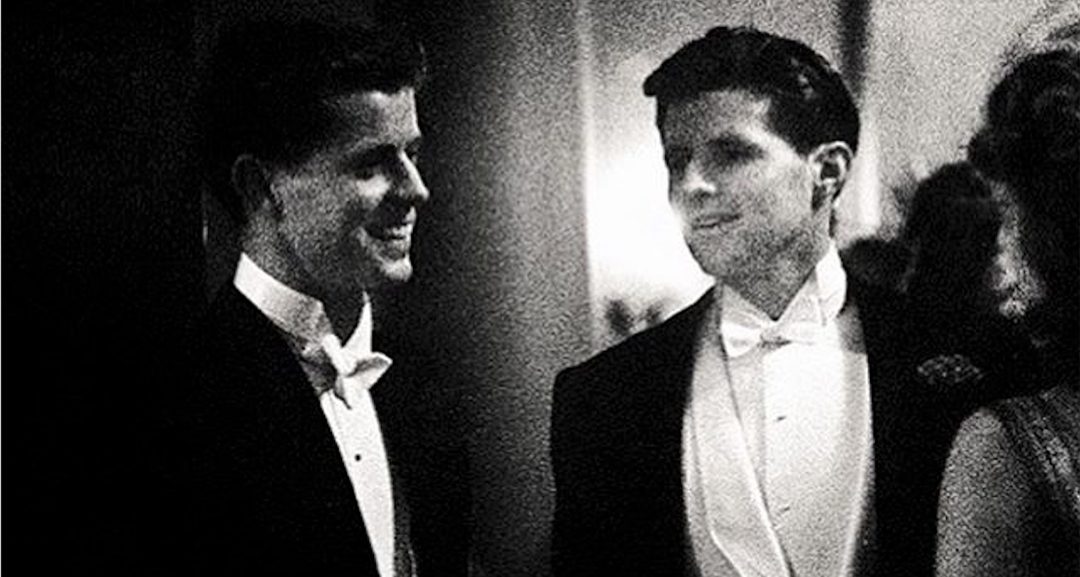
At the embassy reception, no Roosevelt sons — but the ambassador’s two handsome boys, the elder of them Joe Kennedy Jr.
Joe Kennedy Jr visits Aimée in Paris and Meudon
Kennedy came to visit Aimée at the Plaza Athénée. She took the young man around Paris and showed him the beautiful Les Halles quarter, with the Pavillons Baltard and the Cremerie de Paris — a place she knew through Chanel.
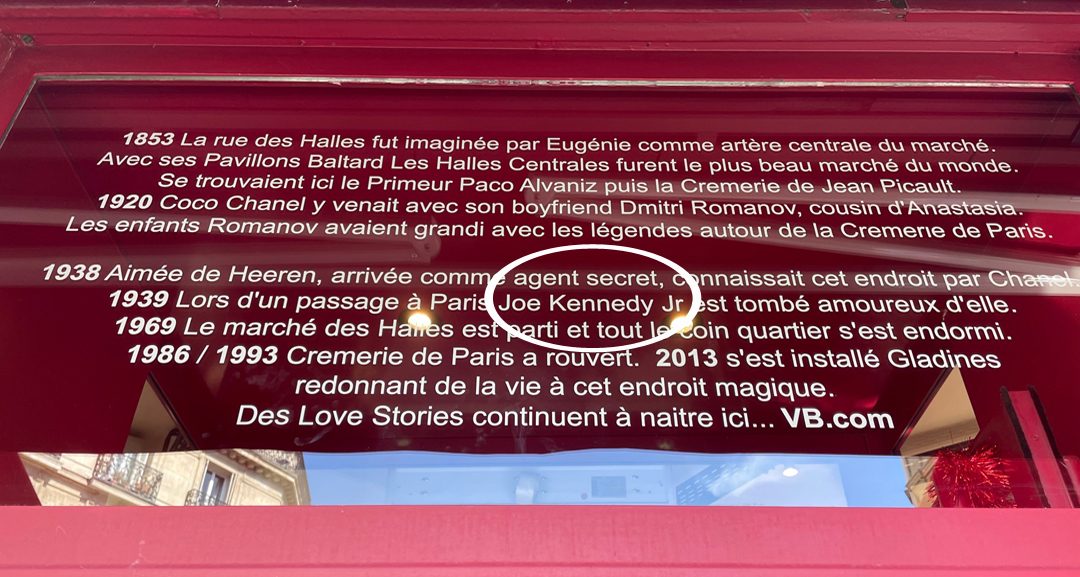
The difficulty in the conversation was that Joe Kennedy Jr, under the influence of his father the American ambassador, showed some sympathy for the Hitler regime.
The next afternoon they met again, and Aimée took the young man to Meudon. From the Terrasse de l’Observatoire they had a stunning view over Paris: just before the Eiffel Tower, ringed in red, the Cedre Imperial Meudon.
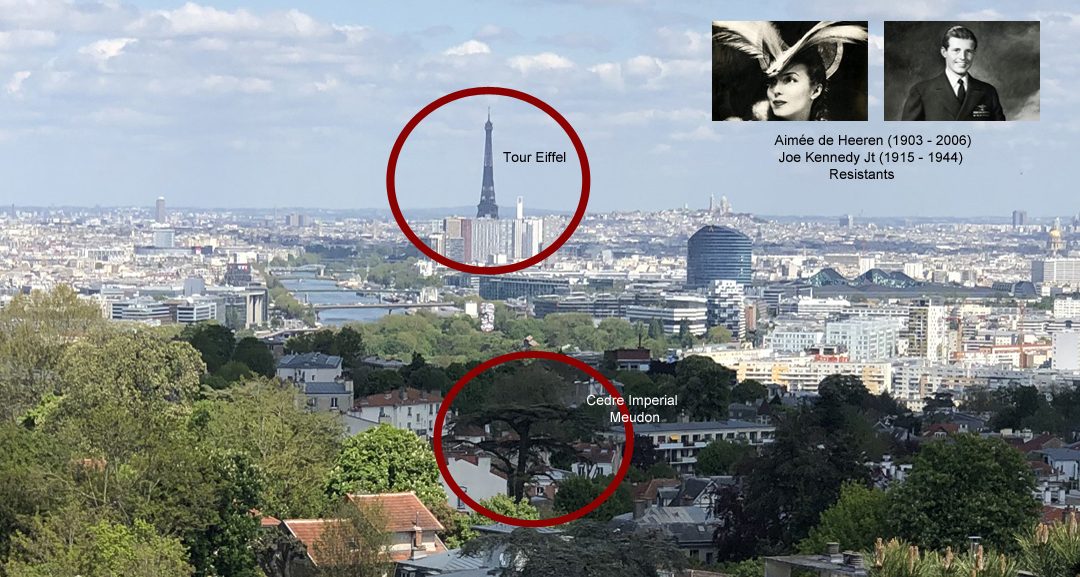
They continued their walk along the avenue Jacqueminot and the place Rabelais, so that Aimée could show him the cedar. Sitting on the doorstep of a property facing the tree, she felt she could trust the young man to keep their meeting secret.
So she decided to show Kennedy her little hideaway room. Nothing of the luxury of the Plaza Athénée — but a view straight onto the tree.
They stayed there, and something happened that should never happen to a secret service agent: she fell in love.
The next day Kennedy left for Spain, to continue his journey.

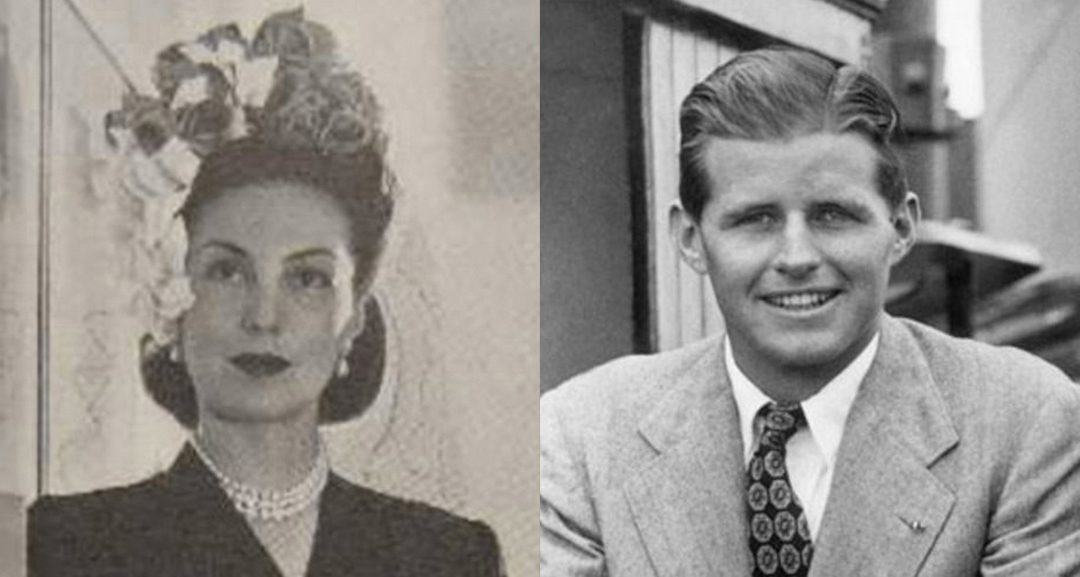
Aimée Sotto Mayor de Heeren
1903 – 2006 · Brazilian, intelligence agent
Aimée de Heeren · Aimée Lopez
Brazilian secret service agent on direct mission for President Vargas, Second World War resistance member, partner of Joe Kennedy Jr, fashion icon.
Assassination attempt, and departure for the United States
Hitler was furious that Brazil was taking so long to sign the projected alliance documents. German Abwehr agents reported a young woman in Paris having a “bad” influence on Vargas. The Palácio do Catete sent Aimée a warning: disappear, at once.
Aimée went to ground at Meudon. According to Françoise Cochin de Billy (1923 – 2013), her husband’s uncle Robert de Billy (1894 – 1991) drove Aimée to Le Havre, where on 15 November “Mrs Lopes” boarded a passenger ship for New York.
The Cedre Imperial Meudon and the Second World War
1930 · 3 November
Getúlio Vargas becomes provisional president of Brazil.
1932 · 8 November
Franklin D. Roosevelt is elected 32nd president of the United States.
1933 · 30 January
Hitler is appointed Chancellor of Germany.
1934 · September
Aimée Sotto Mayor and Luís Simões Lopes visit Berlin to form an impression of the new Nazi regime.
1936 · November
Aimée Sotto Mayor meets President Roosevelt in Rio de Janeiro.
1938
Vargas sends her to Paris to find out what Germany is preparing. She settles at the Plaza Athénée, and also at the Hôtel Meurice.
1938
Coco Chanel takes Aimée to Meudon, shows her the Cedre Imperial and introduces her to the Russians of the town.
1938
Helmuth James von Moltke hands her confidential documents, which she hides in a room beside the cedar.
1938 – 1939
Aimée comes to the Cedar of Meudon to draw strength for her intelligence work.
1939 · February
Beginning of the Aimée Sotto Mayor and Joe Kennedy Jr love story.
1939 · October
Aimée de Heeren escapes Nazi assassination attempts.
1939 · 15 November
She boards a passenger ship at Le Havre, bound for New York.
1939 · December
Aimée Sotto Mayor becomes an anti-Nazi lobbyist in the United States.
1940
Joe Kennedy Jr helps her influence the Roosevelt administration, which is slowly preparing to act against Nazi Germany.
1940 · 18 June
From London, General de Gaulle broadcasts on the BBC his call to the French to carry on the fight against Germany.
1940 · 16 September
Roosevelt signs the Selective Training and Service Act, preparing the United States for the possibility of entering the Second World War.
1942
Brazil declares war on Germany and Italy in August — a matter of record.
1944 · 6 June
D-Day: the Allied landings in Normandy.
1944 · 12 August
Joe Kennedy Jr, elder brother of John F. Kennedy, is killed during an air mission, in the battle to liberate France.
1944 · 25 August
Paris and Meudon are liberated.
1945 · 8 May
End of the Second World War in Europe.
1960 · 8 November
John F. Kennedy is elected 35th president of the United States.
1960s
Aimée de Heeren and Coco Chanel return to the Cedre Imperial.
1986 · 2 June
Aimée de Heeren becomes friends with young Ben Solms. For two decades they spend every holiday together, and little by little he discovers parts of her wartime story.
1988 – 2004
From time to time, when she is in Paris, Aimée asks her young friend to drive her to Meudon to visit the Cedre Imperial. On one of those trips Ted Kennedy came along. Aimée put her arms around the trunk, so that the tree would give her its energy.
2002 · 18 November
Ted Kennedy meets Ben Solms and Aimée at a fashion reception. He tells him, and his niece Caroline Kennedy, about his oldest brother and the fascination all the Kennedy boys had for Aimée.
2006 · 13 September
Aimée de Heeren dies in New York, aged 103.
2009 · 25 August
Senator Ted Kennedy dies at Hyannis Port.
2012
Ben Solms, Aimée’s young friend, reconnects with Meudon and the Cedre Imperial.
2020
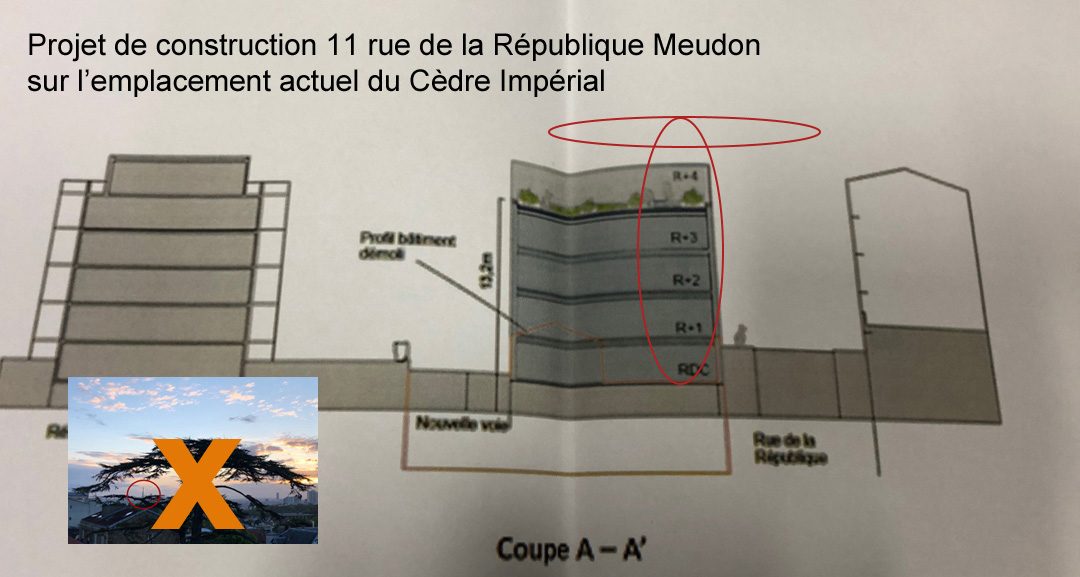
The Cedre Imperial stands in the way of a property development: a multi-purpose building is to be built on the site of the historic tree.
2021
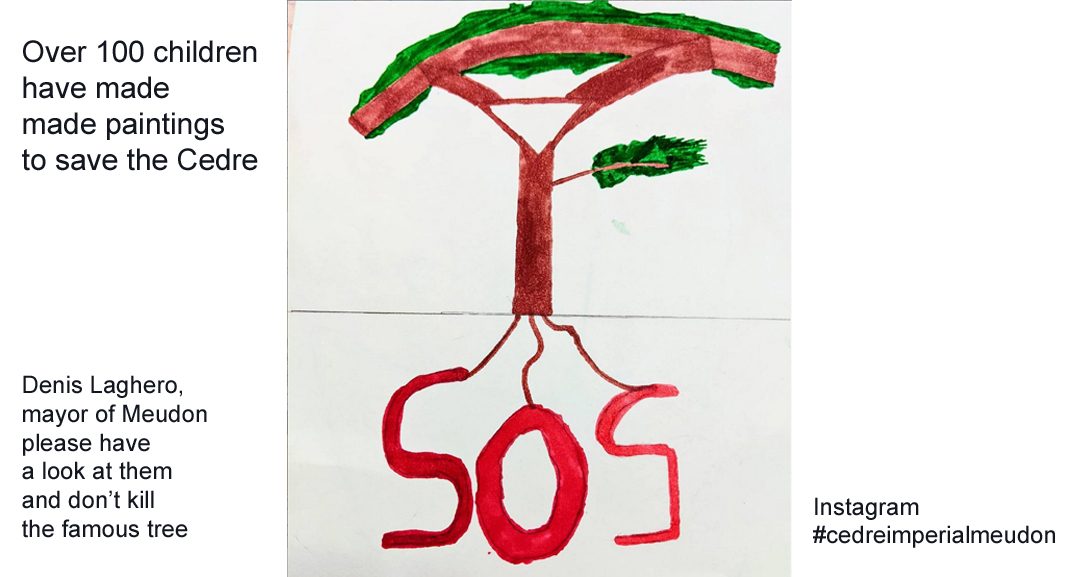
Denis Larghero, Mayor of Meudon, saves the Cedre Imperial from a real estate project — a decision perhaps encouraged, too, by the media pressure the tree was under at the time.
2023
Experts point out that the tree lacks open ground around its trunk and its roots.
2025 · 20 August
Instead of removing part of the concrete slab at the foot of the cedar, a great many branches are cut.
2026 · August
The Cedre Imperial suffers from the heat-absorbing concrete slab built around it: rainwater no longer reaches its roots. The land remains sought after, and the inaction around the tree feeds concern. To this day it receives no watering, the slab has not been opened, and no plaque honours it as the living monument it is.
Half a century later
Aimée meets a young student, a future web entrepreneur — the one who would later gather these accounts and publish them, and whose part in the story is told in chapter 5.
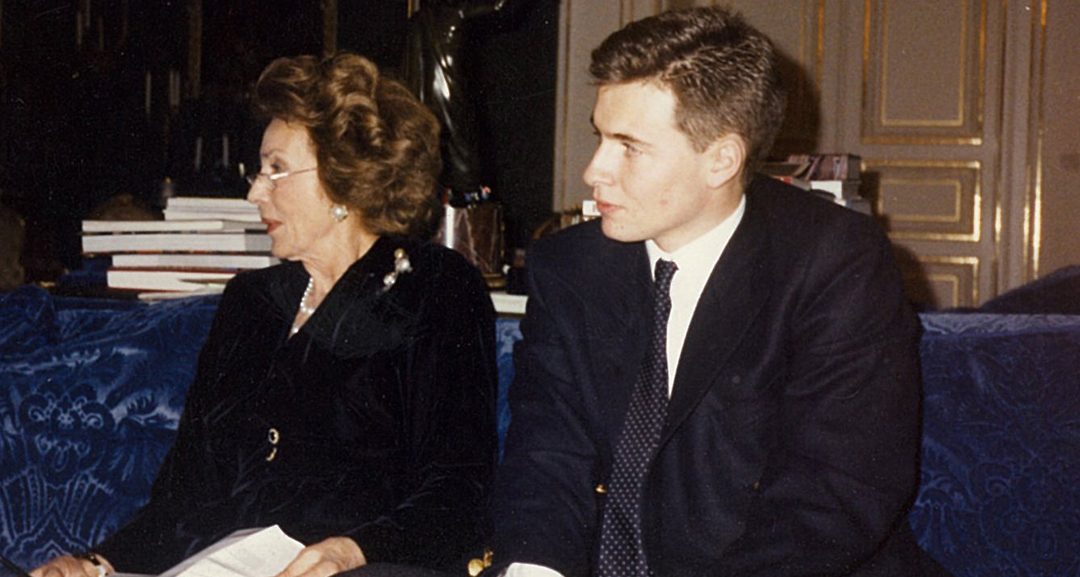
Several things about the young man drew Aimée’s interest when her friend Johannes Thurn und Taxis introduced him to her. There was the glamour: Ben was related to the Romanovs. There was something else as well — his British-German grandmother was a first cousin and close friend of Clarita Trott, née Tiefenbacher, the wife of Adam Trott, one of the leading figures of the German resistance, executed in 1944. Thurn und Taxis himself had known persecution under the Nazi regime.
And then there was something entirely practical: Ben had a car, and he simply loved to drive and to accompany Aimée.
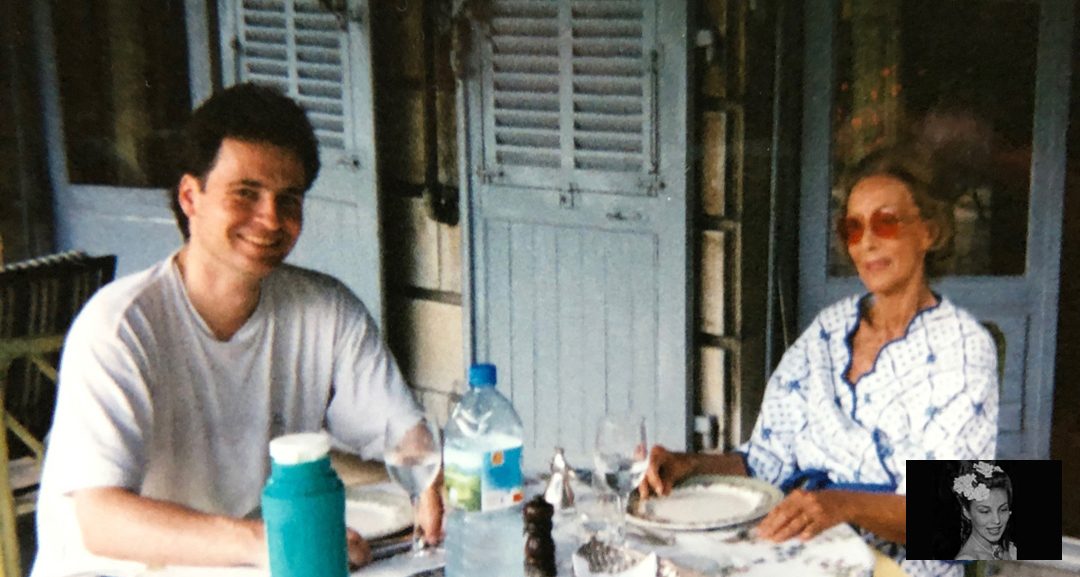
Aimée was very interested in the present. She rarely spoke about the past, but from time to time she mentioned her beloved sister Vera, Coco Chanel and Joe Kennedy Jr, who had remained in her heart.
Meeting the Kennedys
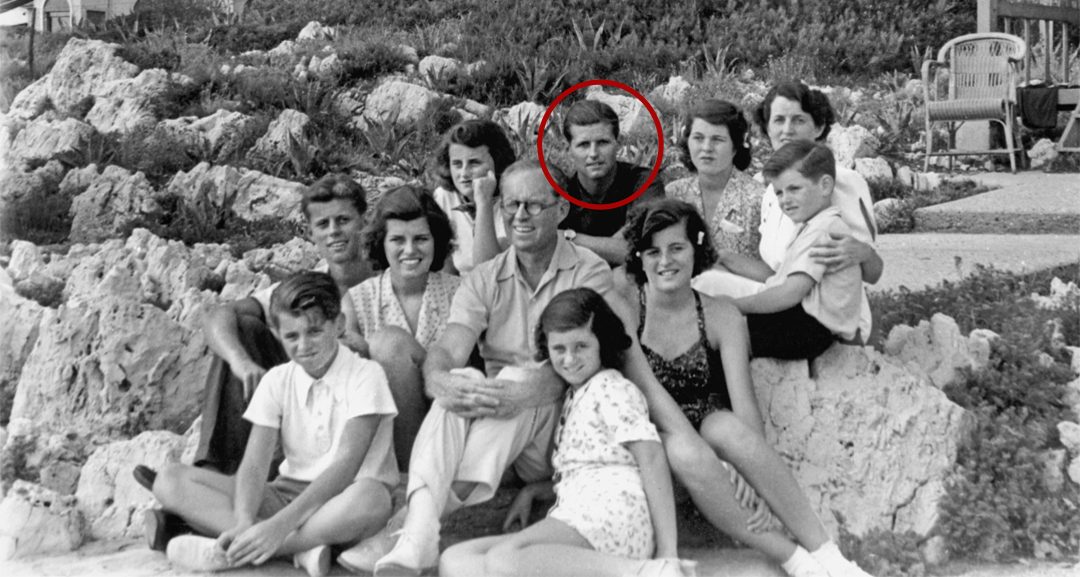
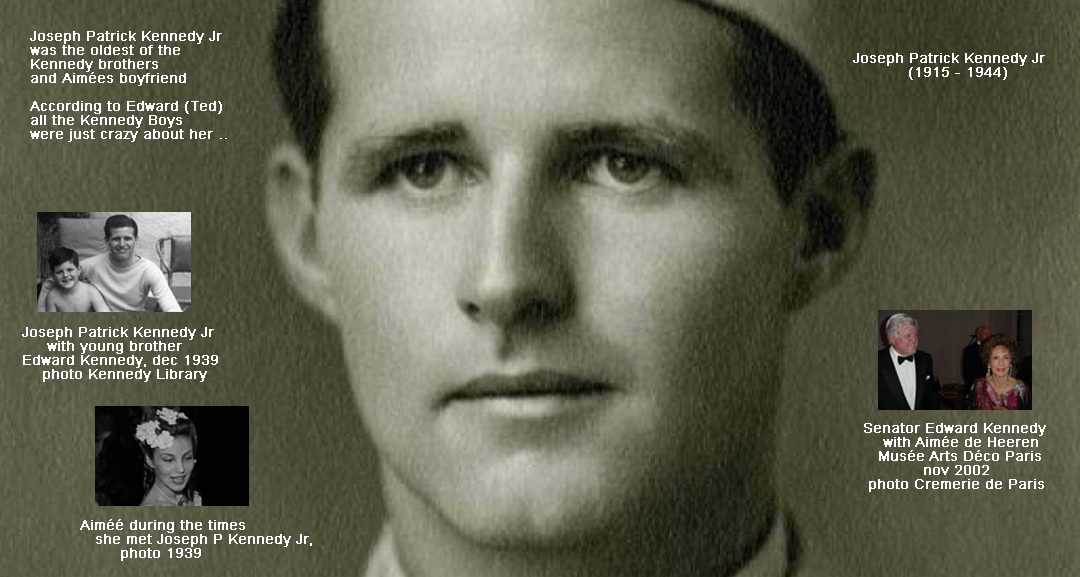
Aimée stayed in contact with the Kennedys all her life. As the girlfriend of Joe Kennedy Jr, her aura fascinated all the younger brothers. They usually met in Palm Beach, where they later lived close to one another, or in Paris.
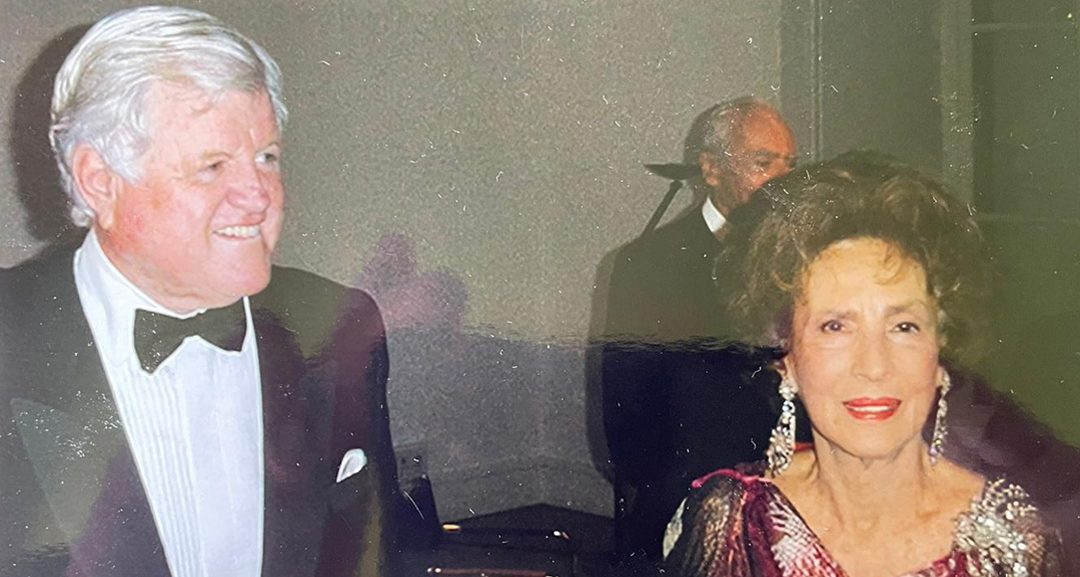
The editor of this website only had the chance to meet the youngest Kennedy child, Ted, the senator. He took the picture above, at a reception in Paris.
The Imperial Cedar of Meudon is the tree that was already there when the story began, and that went through the curse of the Second World War with them.
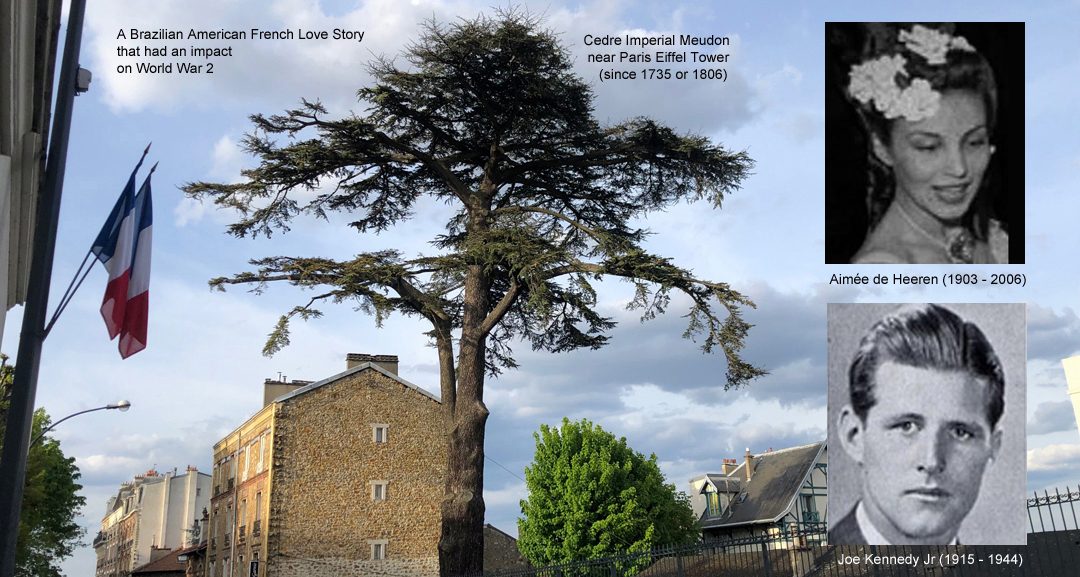
The Imperial Cedar of Meudon remains its witness.
Did the Cedre Imperial have an influence on the Allied victory in the Second World War?
With the economic supremacy of the United States, and the fascinating power of resistance of Churchill and de Gaulle, the Allies would certainly have won the war. But the interventions of Aimée de Heeren, at an early time — 1938, 1939 — might have accelerated everything.
Some historians might find the story a little crazy, and not documented enough. That is because Aimée was acting as a personal secret agent, reporting directly to President Vargas in person, and not to a ministry that kept records.
The Vargas diary, and a woman called “Bem-Amada”
In 1995 the Vargas diary became public, fifty years after the war. From 1937 onwards it constantly mentions a woman under the pseudonym “Bem-Amada” — the beloved one. Aimée never publicly confirmed or denied that she was the woman behind the nickname. When the diaries came out, Brazilian journalists kept calling her Paris apartment at 75 rue de Varenne.
With a smile on her face, Aimée told the editor of this article a little about Vargas — a man he had known little about until then. With the charisma she had, she was in a position to weigh heavily on the decision that mattered: keeping Brazil away from Germany and out of the Axis coalition.
The Kennedy link, and the only witness left
Aimée often talked about Joe Jr, who had always stayed in her heart. Because she was a secret agent, she never wrote letters that could have compromised her. The witness of their story was not the Kennedy Library, but Ted Kennedy.
The editor of this article met the youngest brother in Paris, at a reception given for an exhibition devoted to Jacqueline Kennedy. Ted Kennedy told his niece Caroline Kennedy, his daughter Kara Kennedy, Aimée and the editor of this article, about his eldest brother Joe Jr and how all four Kennedy boys were fascinated by Aimée. The senator is no longer here to be interviewed — but Caroline will remember that moment, which ended with Aimée and Senator Ted singing a Brazilian song. Perhaps one day she will come to Meudon, visit the Cedre Imperial, and tell us more.
There was no video recording of the encounter at the Musée des Arts Décoratifs, and years later it is always difficult to prove anything — except that one night, browsing through Getty Images, a few pictures appeared.
Caroline Kennedy with Aimée’s friend, the editor of this article — photograph by Bertrand Rindoff Petroff / Getty Images
Ted Kennedy and his daughter Kara at the same reception — photograph by Bertrand Rindoff Petroff / Getty Images
And yes: Joe Kennedy Jr knew the Roosevelt sons. That is how Aimée was able to reach the American president, and how, step by step, America came to prepare itself to liberate Europe.
To go further
Films and documentaries that set the scene for this chapter.
Aimée de Heeren, the woman who commanded the most powerful men in the world (in Portuguese)
A Trama Real
Joseph P. Kennedy, Jr.
Elena Flores

Nightfall over the Imperial Cedar
0:59 · Cèdre Impérial Meudon
Reference websites
- AimeedeHeeren.com — memorial website devoted to Aimée de Heeren
- JoeKennedyJr.com — memorial website devoted to Joe Kennedy Jr
- JFK Library — the John F. Kennedy Presidential Library, Boston
- Fundação Getúlio Vargas — the Brazilian institution that holds the Vargas archives
- Freya von Moltke Stiftung — the foundation that keeps the memory of the Kreisau Circle
- Mairie de Meudon — the town where the Imperial Cedar stands
This living heritage deserves to be protected
Join the people taking action to save the Imperial Cedar.