Français
 English
 Deutsch
 עברית
עברית Português
No archive records it; what carries this chapter is an oral tradition, patiently repeated. In the Paris of the Roaring Twenties, so the story goes, a Russian exile took Gabrielle Chanel up to a cedar in Meudon — and the tree stayed with her all the way to the most improbable comeback in fashion.
A Romanov exile in the Paris of the Roaring Twenties
After the revolution, a handful of Romanov children left Russia by way of Iran and scattered across Europe. Dmitri Romanov (1891-1942), the eldest of that small circle, chose Paris. He arrived with a memory and not a great deal else: the memory of a vanished court, of its habits, its beliefs and the places it held dear.
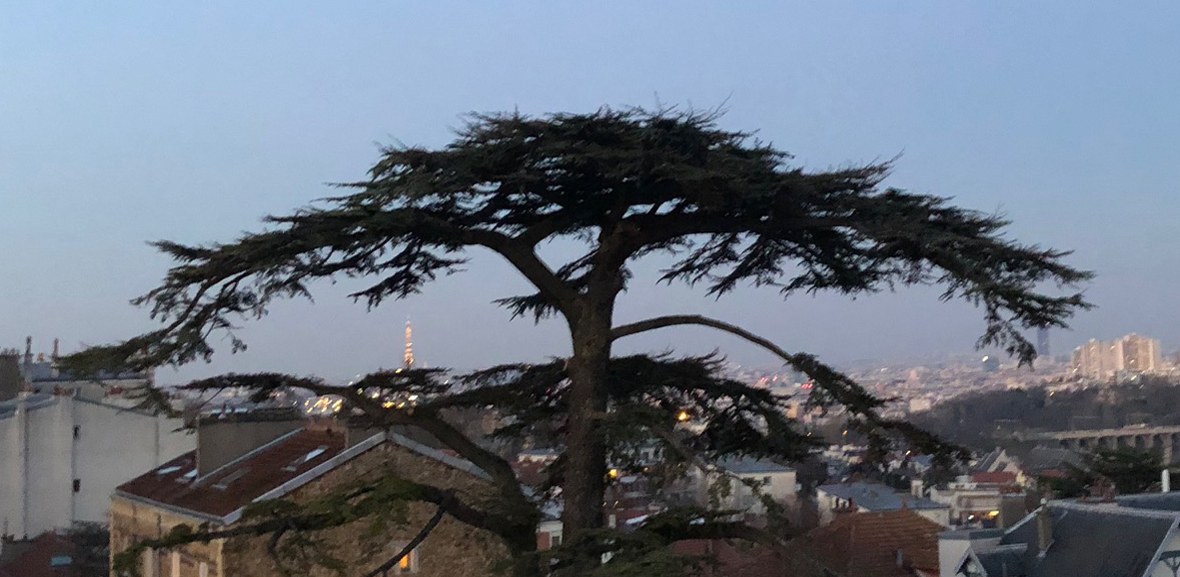
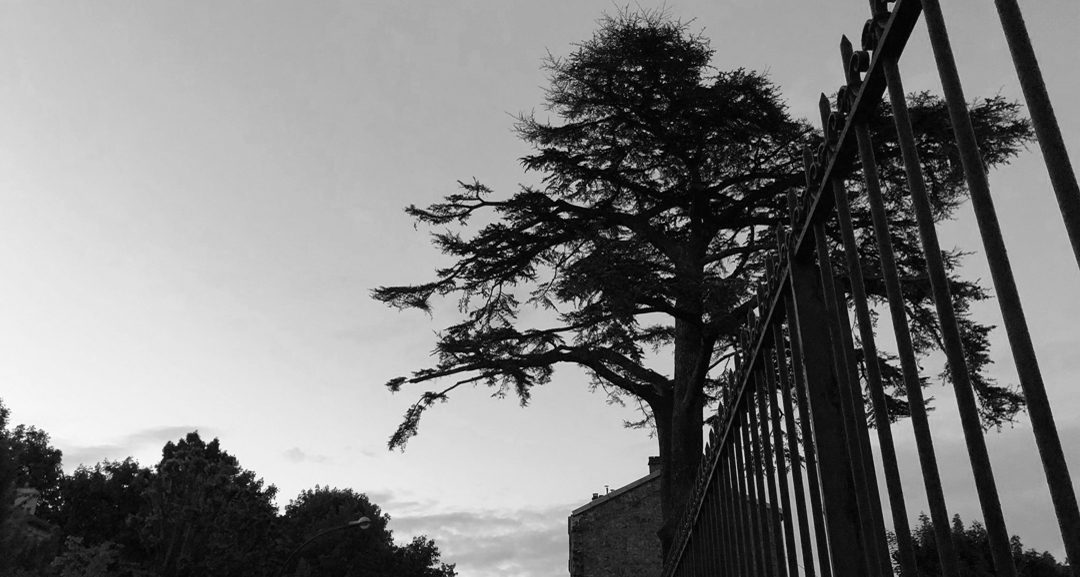
According to a tradition passed down ever since, once he had settled in he took pleasure in showing those close to him the places he considered legendary — not the fashionable addresses, but the ones that carried, to his mind, a particular charge. Among them, on the plateau of Meudon, stood the Imperial Cedar. That, it is said, is how Gabrielle "Coco" Chanel (1883-1971) was first brought to the foot of the tree.
A perfumer from Saint Petersburg
Chanel and Dmitri Romanov were close; she invited him to stay at her house in Garches. It was he who introduced her to Ernest Beaux, a perfumer who had made his name in Saint Petersburg, and it was out of that meeting that N°5 was born — the scent that would outlive everyone involved in it.
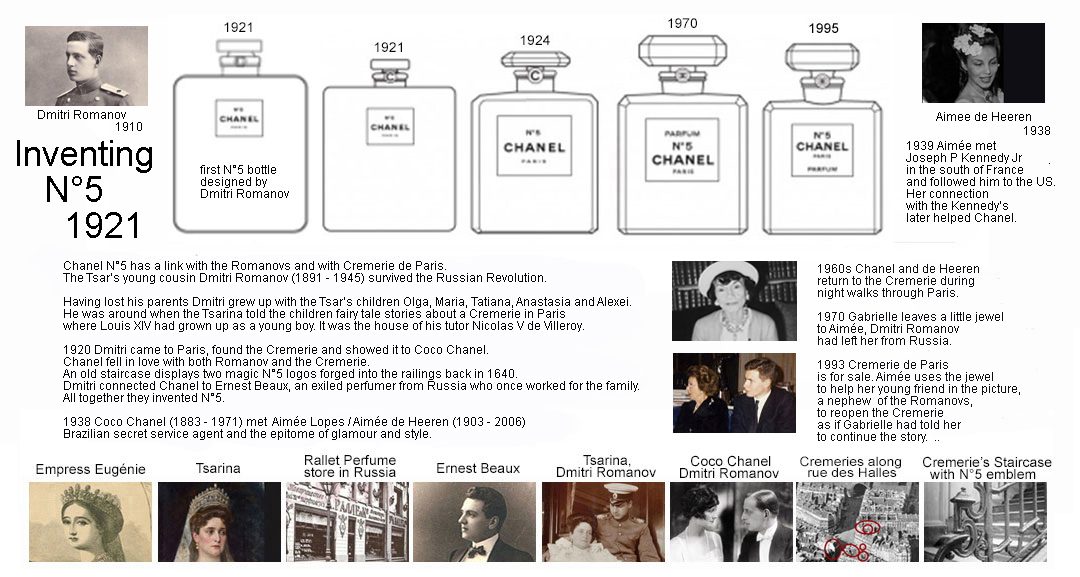
The tradition holds that a little of the tree's energy went into that success. Nothing about it can be documented, and the claim is best taken for what it is: a story told without interruption for a hundred years.
The legend itself had travelled a long way to reach her. Born under the Second Empire with Empress Eugénie, it had made its way to the Russian imperial court, where the tree was held to give good energy to those who came to it. The Romanovs carried it into exile as one carries a family heirloom — and Dmitri handed it on to Chanel.
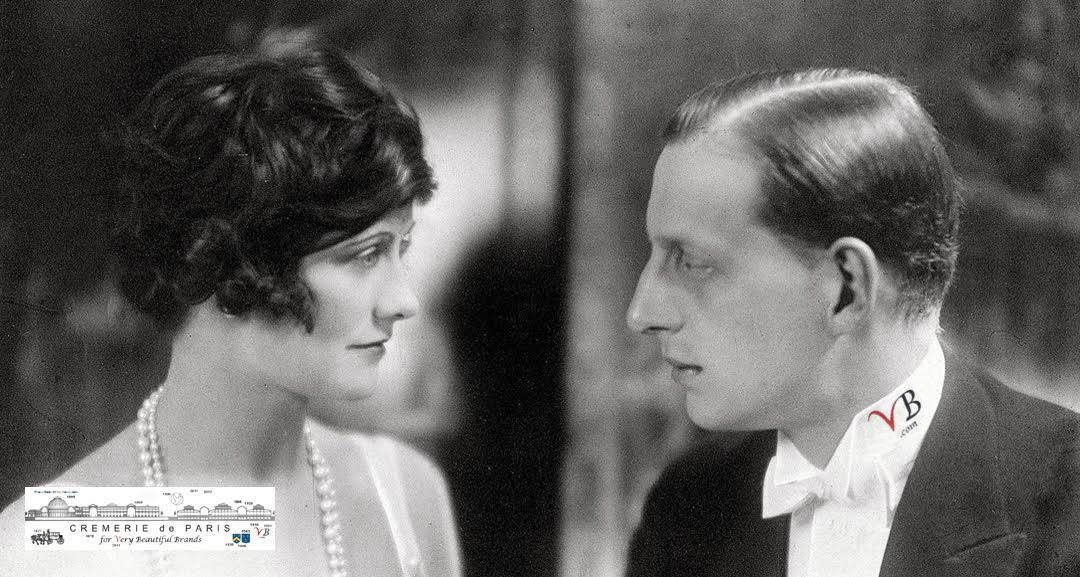

Gabrielle "Coco" Chanel
1883 – 1971 · Couturière
From the 1910s she imposed a silhouette freed from the corset, launched N°5, then closed her workrooms during the war. At more than seventy she reopened her couture house — a comeback nobody saw coming, and one that oral tradition links to the Imperial Cedar.
The comeback of 1954
By 1953 Chanel was past seventy and her house had been shut for more than a decade. She decided to relaunch it anyway, and showed her collection the following year. The Paris reception was glacial; the vindication came from America. But the wager had been made, and won.
The account handed down says she drew the strength and the inspiration for that return from two places she went back to the way one goes back to a spring: the Imperial Cedar on the heights of Meudon, and the Cremerie de Paris. What exactly she was looking for there, no one will ever know. What is known is that she kept going back, and that at seventy she started again.
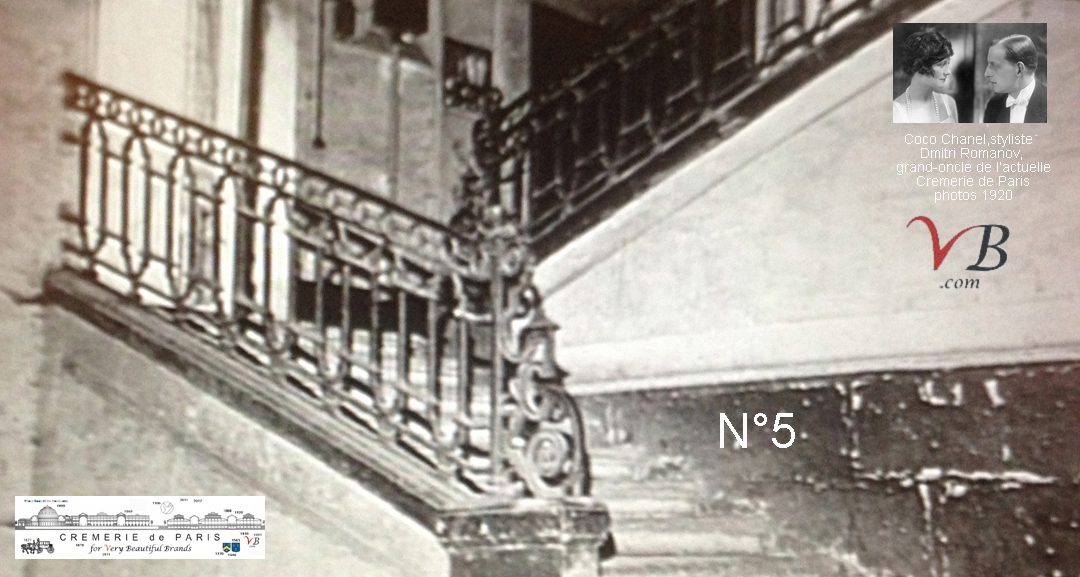
1920s
Dmitri Romanov, a refugee in Paris, shows Coco Chanel the Imperial Cedar among the places he holds to be legendary.
1920s
Chanel invites Dmitri to stay at her house in Garches; he introduces her to the Saint Petersburg perfumer Ernest Beaux.
1921
N°5 is born of that meeting — a success the tradition connects to the energy of the tree.
1953 – 1954
At over seventy, Chanel relaunches her couture house; the story goes that she drew on the Imperial Cedar and the Cremerie de Paris.
1960s
Regular visits to the cedar with Aimée Sotto Mayor de Heeren.
1971
Death of Coco Chanel.
"The story does not claim the tree brought Coco Chanel back. It says she kept climbing up to it, and that she came back."
Association pour le Cèdre — ARCBMThe Meudon walks
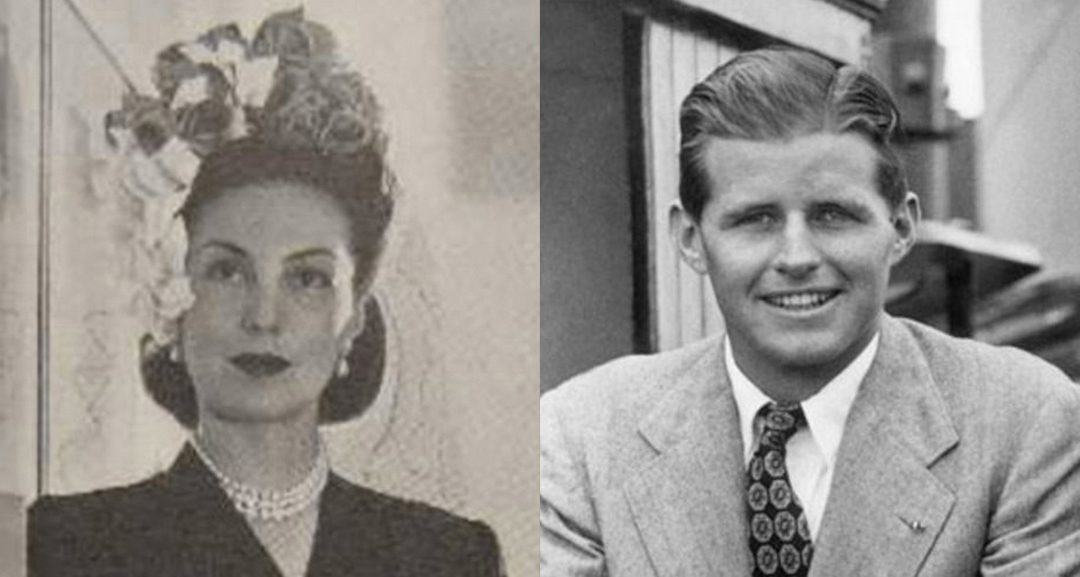
The habit, it is said, never left her. As late as the 1960s Coco Chanel would go up to the cedar in the company of Aimée Sotto Mayor de Heeren (1903-2006), a friend from a very different world. Two women whom everything distinguished, joined by the same taste for discretion, walking up the rue de la République to stop at the foot of the same tree.
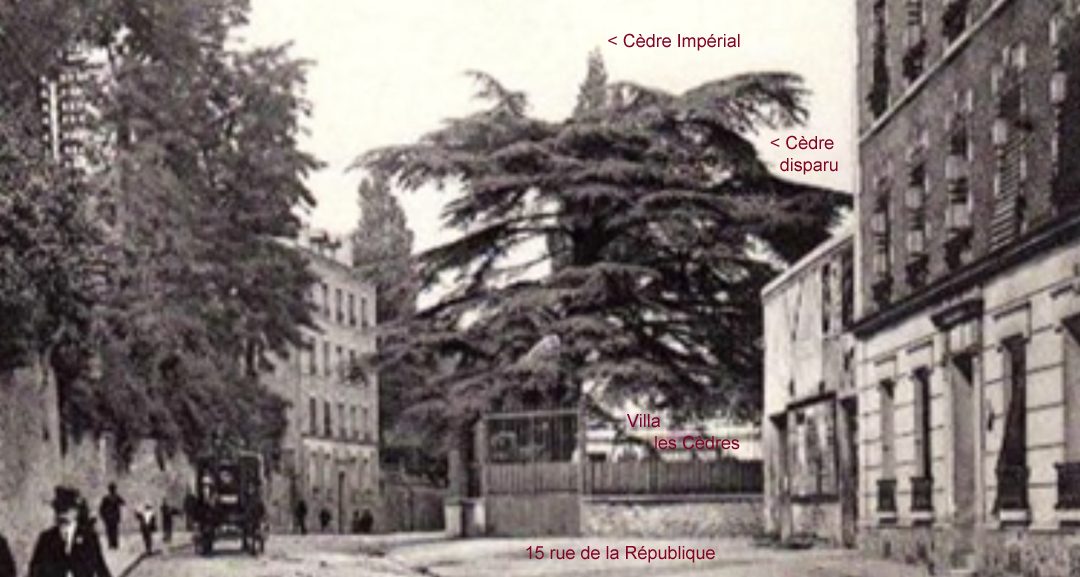
Chanel worked until the end and died in 1971. The tree is still there, on the plateau, with the same view over Paris — and the same reputation for giving good energy to anyone who takes the trouble to climb up and put their arms around it.
This living heritage deserves protecting
Join the people working to save the Imperial Cedar.
To go further
Films and documentaries that set the scene for this chapter. They are not about the tree itself.
Gabrielle Chanel — Inside CHANEL
CHANEL