Français
 English
 Deutsch
 עברית
עברית Português
To understand why a cedar tree in Meudon should be called "Imperial", you have to go back to 1799, the year Joséphine de Beauharnais acquired the Château de Malmaison and set about turning its grounds into one of the finest botanical gardens in Europe.
Joséphine's passion for botany
When she bought Malmaison, Joséphine was not simply looking for a country residence: she wanted a living laboratory. She gathered species from every corner of the world, had rare plants shipped to France at considerable expense, and surrounded herself with the best botanists of her day. Her garden soon became a scientific centre known well beyond the borders of France, and its plates and catalogues were studied across Europe.
Among all these plants, one tree held her attention above the rest: the cedar of Lebanon, a species that can live for more than five hundred years. For an empress building a dynasty, a lifespan measured in centuries had an obvious appeal.
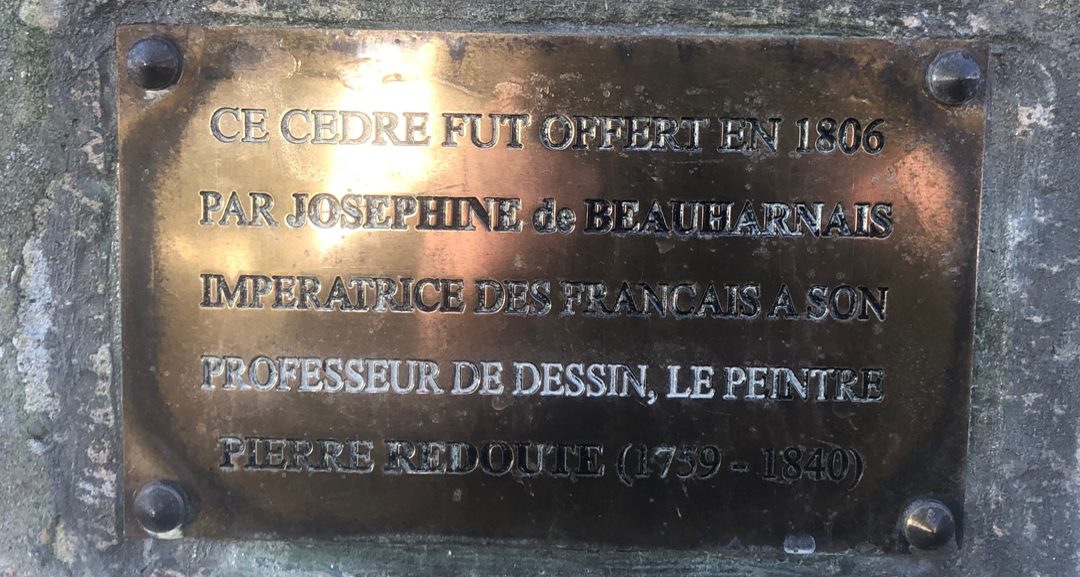
In 1800 she had a cedar planted facing the château to mark the victory of Marengo — le Cèdre de Marengo. In 1806, by then Empress, she gave a second cedar to the painter Pierre-Joseph Redouté, her drawing master and the greatest botanical illustrator of the age, in thanks for his work on the roses of Malmaison. That tree, known ever since as the "Cèdre Redouté", is still standing in Meudon today.
A planting on rue Napoléon
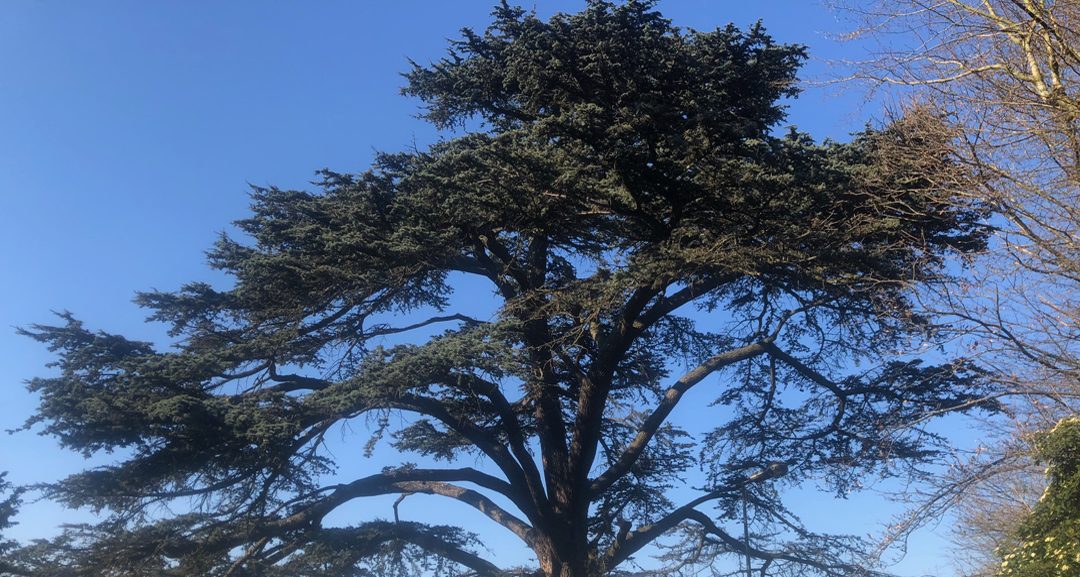
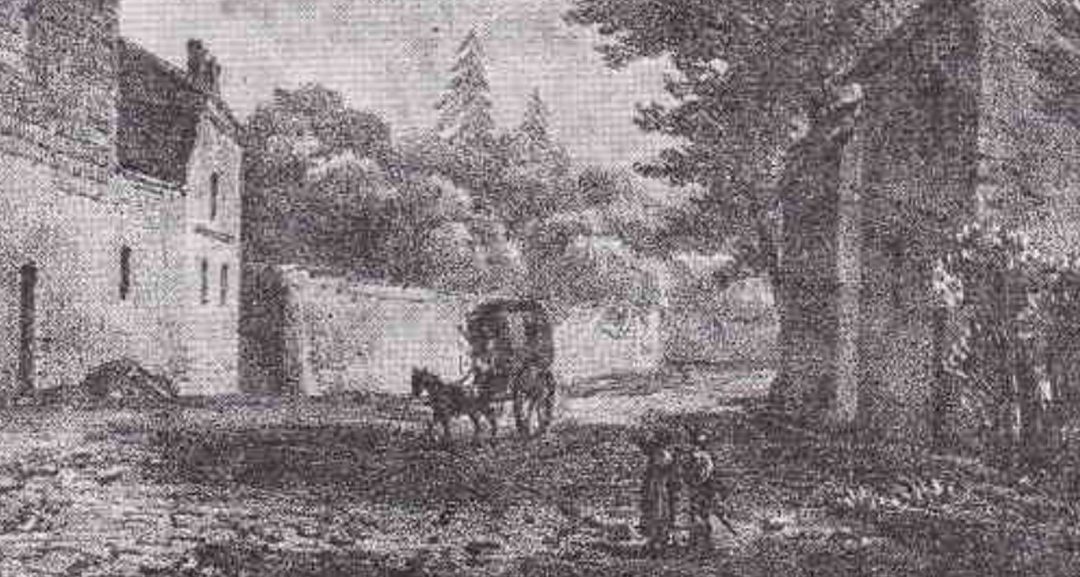
It was against this background, somewhere between 1799 and 1805, that the tree we now call the Imperial Cedar was put into the ground. It took root on the heights of Meudon, in a street that at the time bore the name rue Napoléon.
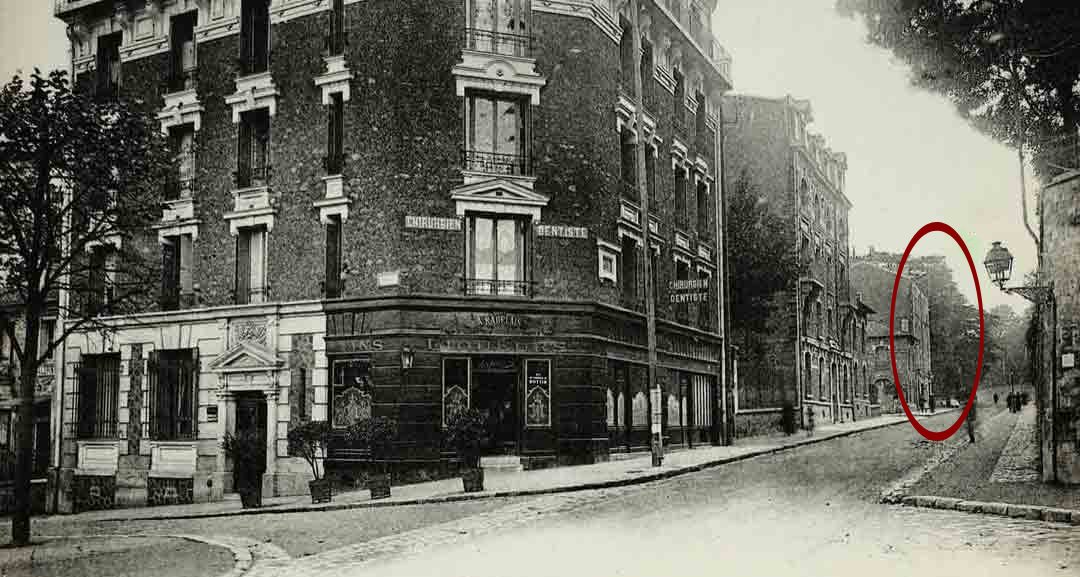
The spot was no accident. From this point on the plateau the view opens wide over the capital. Two centuries later it remains one of the very few places from which the Eiffel Tower can be picked out on the horizon, above the rooftops — 6.6 km away as the crow flies. Whoever chose the position was planting for a view that did not yet exist.
Joséphine de Beauharnais
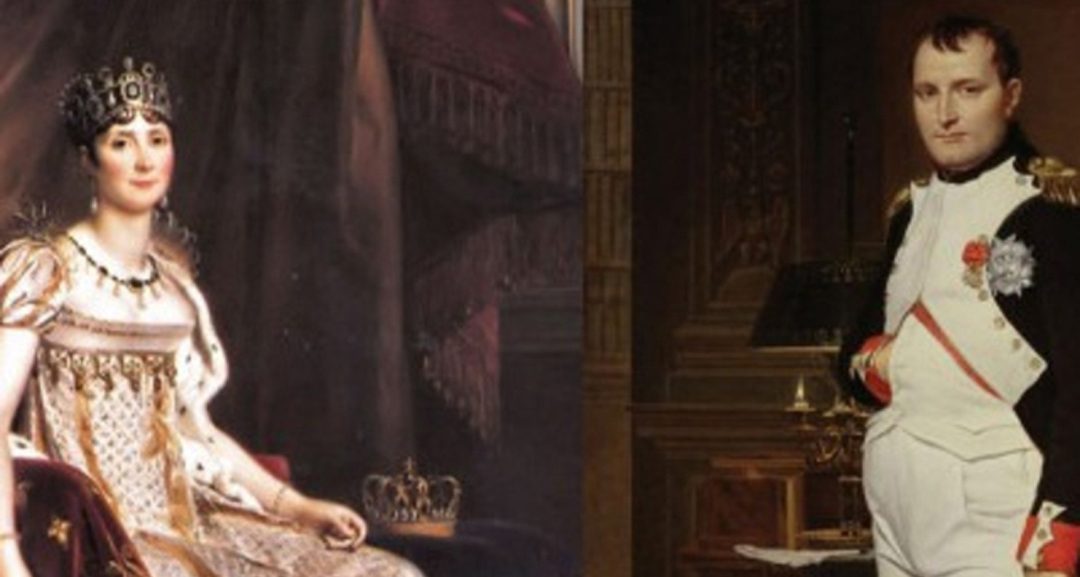
1763 – 1814 · Empress of the French
A passionate botanist, she assembled at Malmaison one of the richest plant collections in Europe and introduced a great many species to France. Her garden became a recognised scientific centre far beyond the country's borders.
A street that changed its name with the times
The story of the tree follows the story of the regimes that came and went around it. After the fall of Napoleon I, rue Napoléon lost its name and became the "Rue des Princes". Not until 1883 did the Third Republic give the street the name it still carries today: rue de la République.
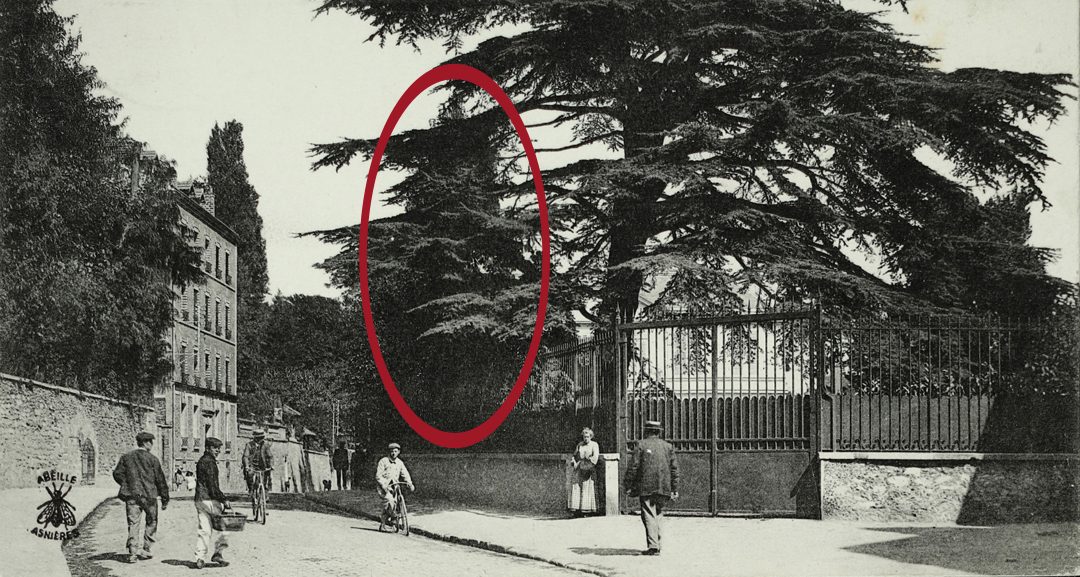
During the Occupation, in 1943, the Resistance briefly replaced the street plates with "Rue Charles de Gaulle". Four names for a single street — and one motionless witness to every one of those changes: the cedar, at number 11.
1799
Joséphine acquires the Château de Malmaison and sets out to make it an exceptional botanical garden.
1800
Le Cèdre de Marengo is planted at Malmaison, echoing the victory of that June.
1806
Joséphine, Empress since 1804, gives a cedar to the painter Pierre-Joseph Redouté. The plaque fixed to the tree records the gift.
1799 – 1805
Estimated planting of the Imperial Cedar on rue Napoléon in Meudon.
1815
After the fall of Napoleon I, rue Napoléon is renamed "Rue des Princes".
1883
The Third Republic gives the street its present name: rue de la République.
"A tree planted under the Empire, which has watched two centuries of French history go by — and which still keeps an eye on Paris."
Association pour le Cèdre — ARCBMThe birth of a legend
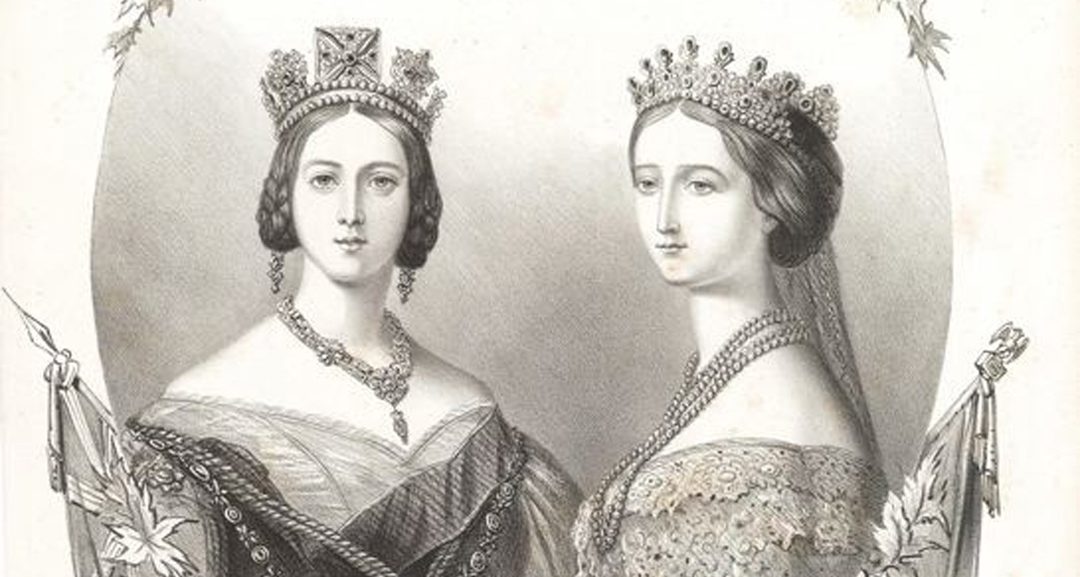
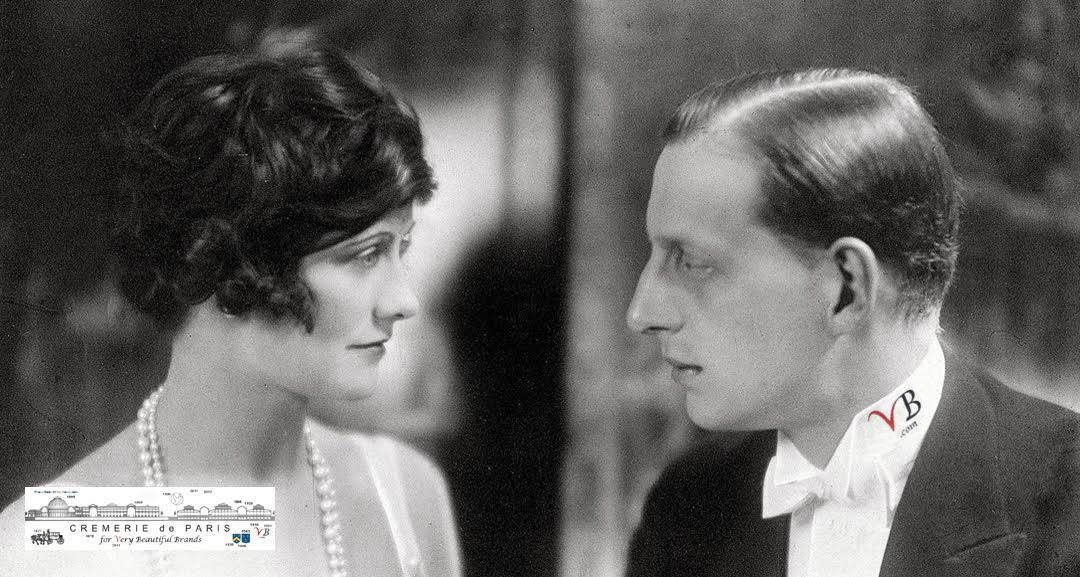
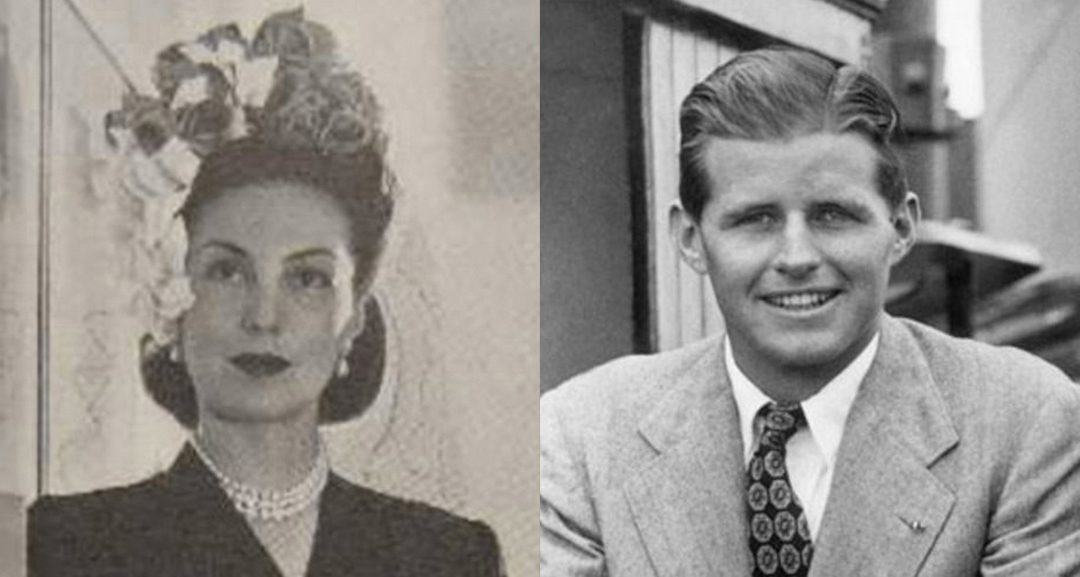
At this stage the cedar was still only one remarkable tree among many. What turned it into a legend was the Second Empire. Empress Eugénie discovered it through a neighbour, General Jacqueminot, and became convinced that it gave good energy to those who came to it. From there began an unbroken chain of transmission, from Queen Victoria to the Romanov children, and later to Coco Chanel.
That chain is what the chapters ahead set out to tell.
This living heritage deserves protecting
Join the people working to save the Imperial Cedar.
To go further
Films and documentaries that set the scene for this chapter. They are not about the tree itself.
The cedar of Lebanon, a tree that lives for centuries
Napoleon I, the soldier emperor
3:13 · Château de Versailles