Français
 English
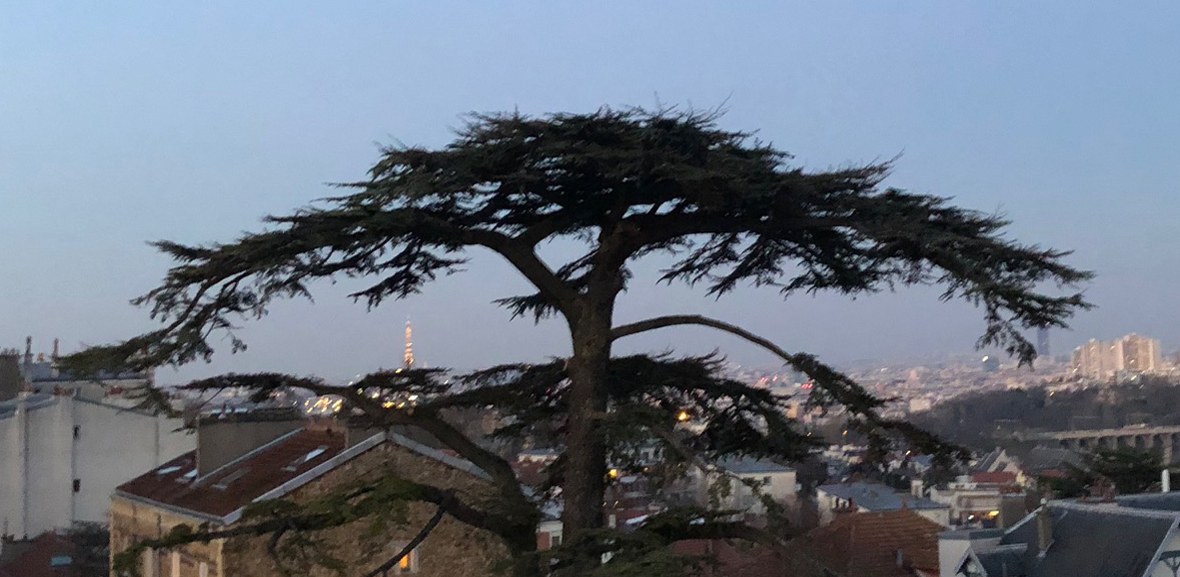
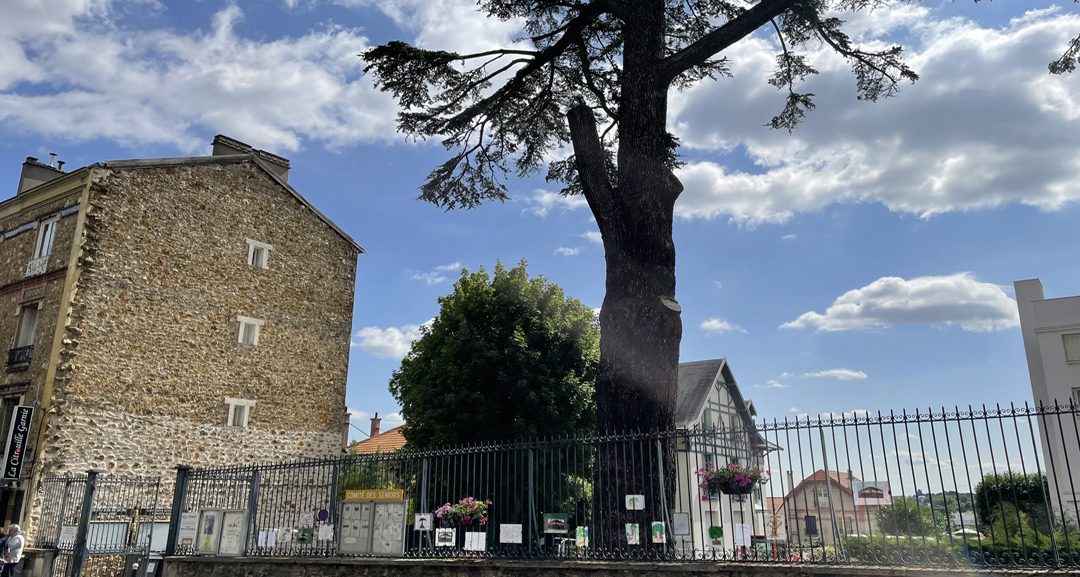
For two hundred years the Imperial Cedar had needed nobody. In February 2021 it needed everybody: it was a citizens' campaign, born in a matter of weeks, that kept the tree from disappearing.
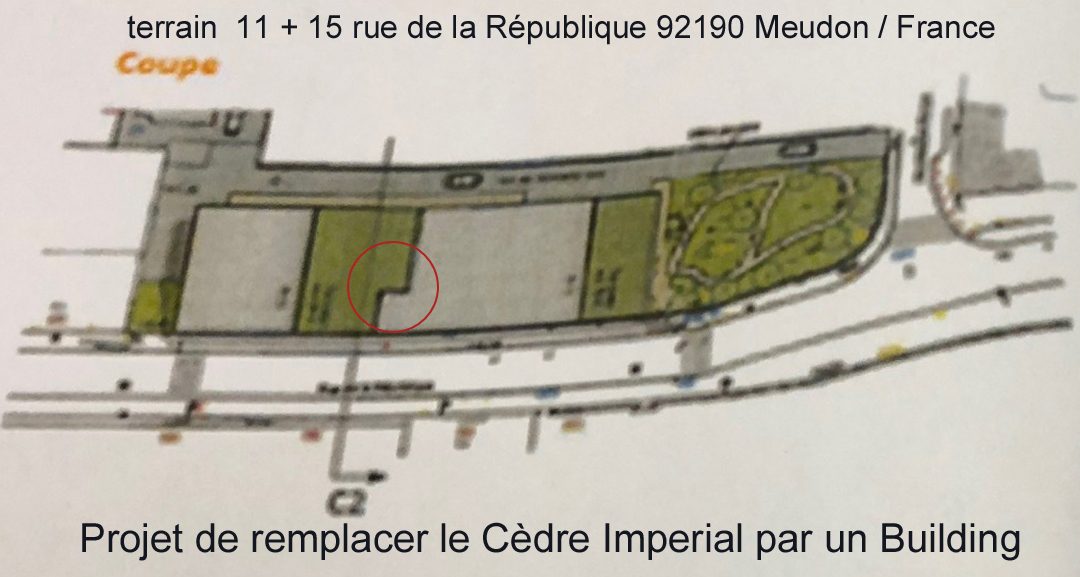
February 2021: the threat
It began with a property development. The plot on which the tree stands was coveted, and a building was under consideration for it. Faced with a bicentenary cedar, the argument put forward was one of safety: the tree was said to be diseased, therefore dangerous, therefore doomed.
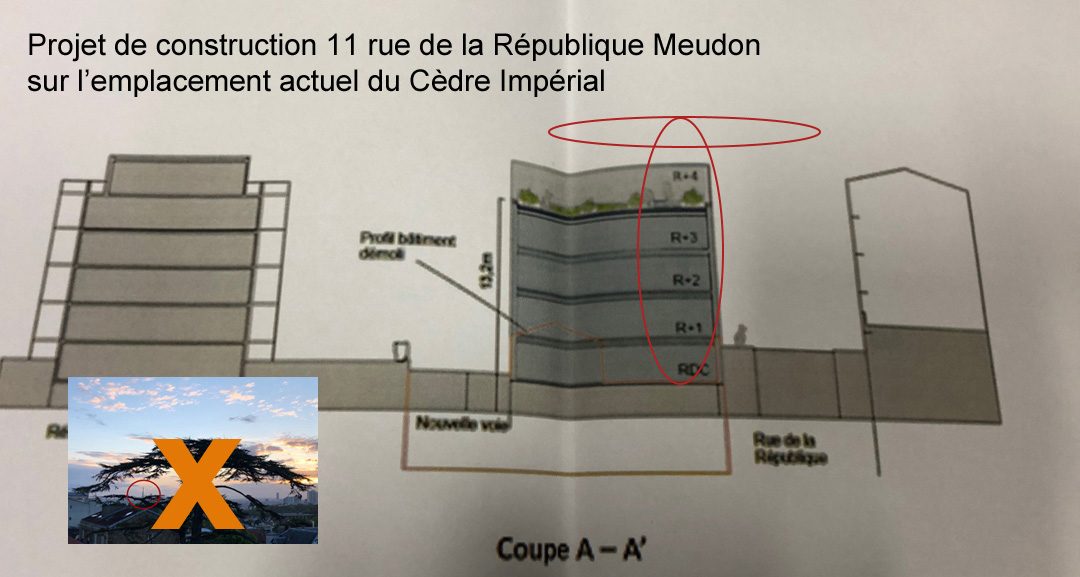
Word travelled quickly through the neighbourhood and then well beyond it. What might have been settled in silence, as so many fellings are, became a public matter. Neighbours, associations and whole families refused to accept that the oldest witness on the rue de la République could come down in a single morning.
Thousands of children's drawings
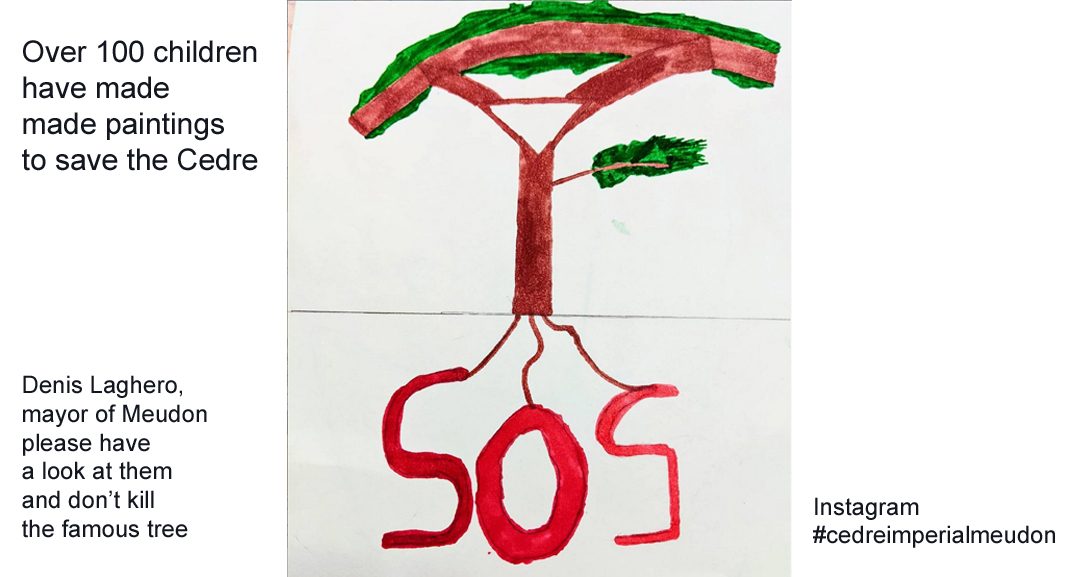
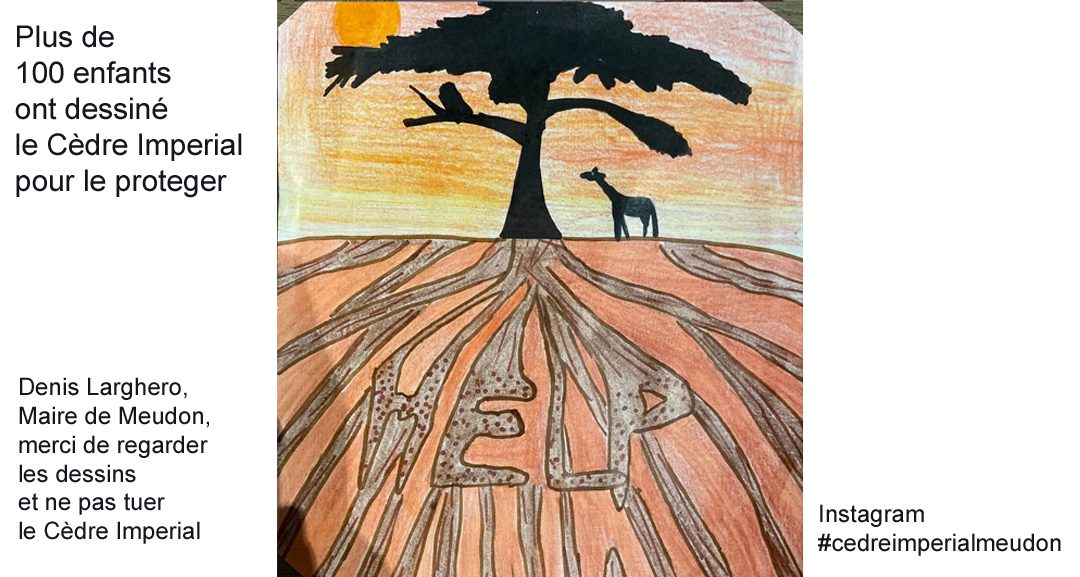
The form the campaign took is what made it singular. Instead of banners, drawings. Thousands of children drew the Imperial Cedar in their own way — felt-tips, coloured pencils, poster paint — to ask that it be protected. An exhibition brought the pictures together and gave them a collective existence.
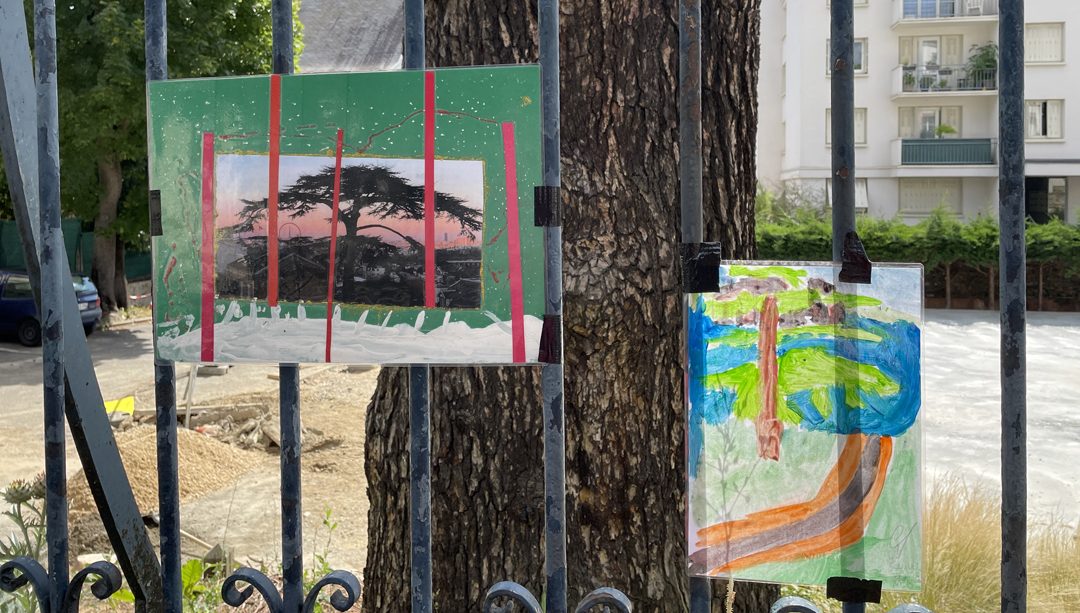
The effect was striking. Against a technical file that spoke of disease and risk, those sheets of paper set an unanswerable fact: this tree matters to the children growing up at its feet. It becomes very hard to justify felling a cedar that an entire generation of schoolchildren has drawn.
Ramona Pasca
2021 · A leading figure in the campaign for the Imperial Cedar
She is among the figures of the citizens' movement that formed in 2021 around the defence of the tree. Her name remains attached to the year in which the protection of the Imperial Cedar passed from a matter for neighbours to a matter of public interest.
A petition and an association
The spontaneous surge was followed by the tools that made it last. A petition was launched on change.org against the abusive felling of remarkable trees; it quickly reached beyond the Meudon case to pose a broader question, that of the legal standing of trees that outlive the centuries.
In the same movement the ARCBM was formed, an association built around the defence of the cedar and, more widely, of the trees of Meudon. The step from informal collective to constituted association was decisive: it gave the campaign a recognisable voice and a memory.
February 2021
A property development threatens the Imperial Cedar; a citizens' campaign takes shape.
2021
Thousands of children draw the cedar to ask for its protection; an exhibition brings their work together.
2021
A petition is launched on change.org against the abusive felling of remarkable trees, and the ARCBM association is formed.
2021
Denis Larghero, mayor of Meudon, listens to the movement and protects the Imperial Cedar.
2021
Stephanie von Fürstenberg creates a jewellery collection in honour of the cedar with the Munich house Kaddick Goldschmiede.
Today
Vigilance is still needed: development pressure remains, and the ground around the tree has been paved.
“It took a few thousand children's drawings for a two-hundred-year-old tree to win the right to grow old.”
Association for the Cedar — ARCBMThe decision, and the jewellery that followed
In 2021 Denis Larghero, the mayor of Meudon, listened to the movement and protected the Imperial Cedar. The decision put an end to the immediate threat and acknowledged, in effect, that the tree belongs to the heritage of the town and not merely to the law of the land it stands on.
The echo of that victory carried well beyond France. The Swiss artist and jewellery designer Stephanie von Fürstenberg created a collection in honour of the cedar with the Munich house Kaddick Goldschmiede, and her postcards were distributed in Swiss post offices. A tree from Meudon thus found itself worn on a lapel and slipped into the letters of an entire country.
Nothing, however, is settled for good. Development pressure on the heights of Meudon has not gone away, and a second, quieter danger has appeared since: the ground around the tree has been paved, so the cedar can no longer take in enough natural rainwater. For a tree of this age, that slow thirst is as serious as any bulldozer.
Which is precisely what the last chapter of this story sets out to say. Protecting a bicentenary tree is not won once and for all; it is defended year after year — and the good energy that generations have come here to find is worth that trouble.
This living heritage deserves to be protected
Join the people taking action to save the Imperial Cedar.