Français
 English
 Deutsch
 עברית
עברית Português
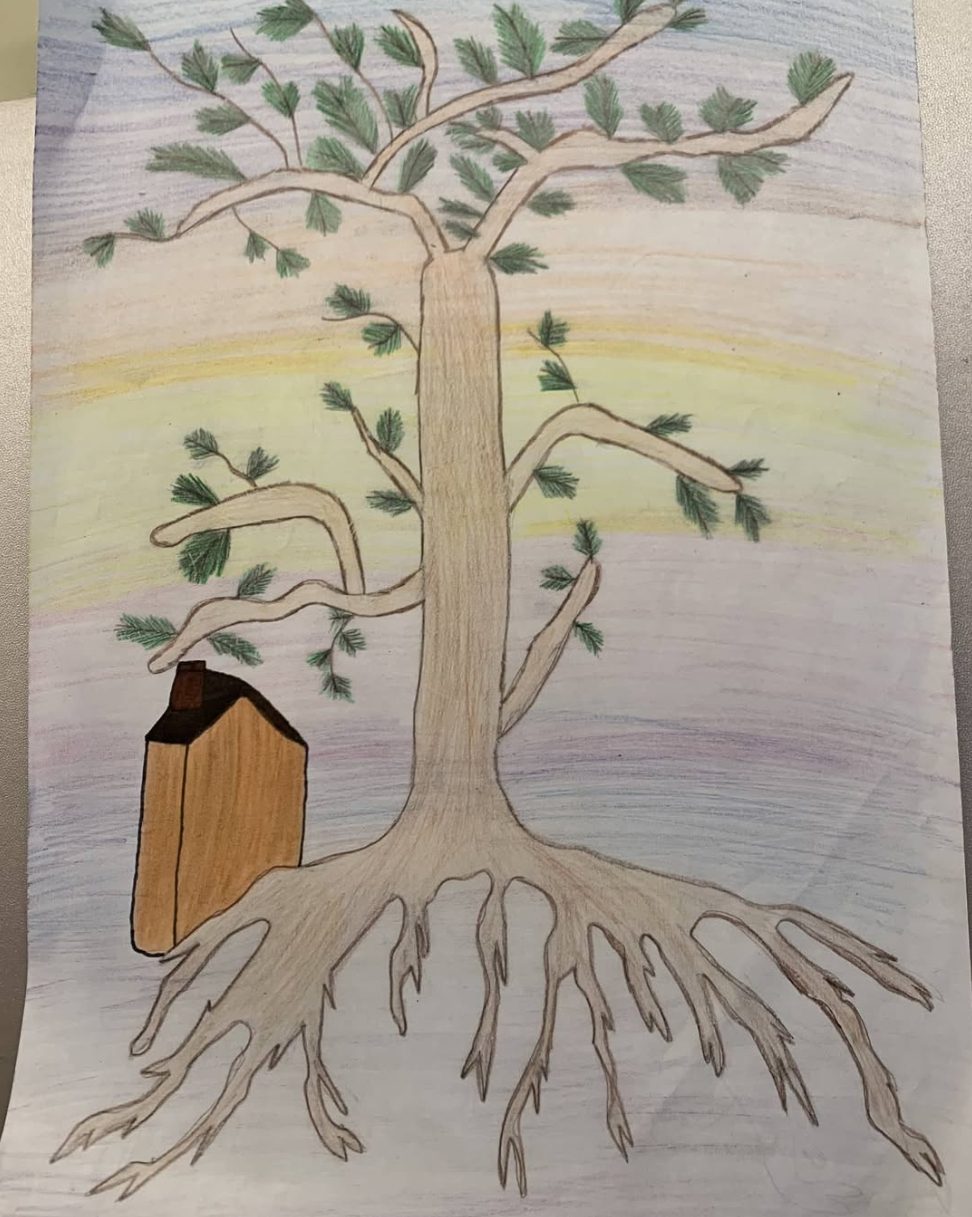
In February 2021 a property development threatened the Imperial Cedar of Meudon. The campaign that followed took several forms — a petition, letters, an association — but one of them left a deeper mark than the rest: hundreds of children began to draw the tree in order to ask for its protection.
A response that came from children
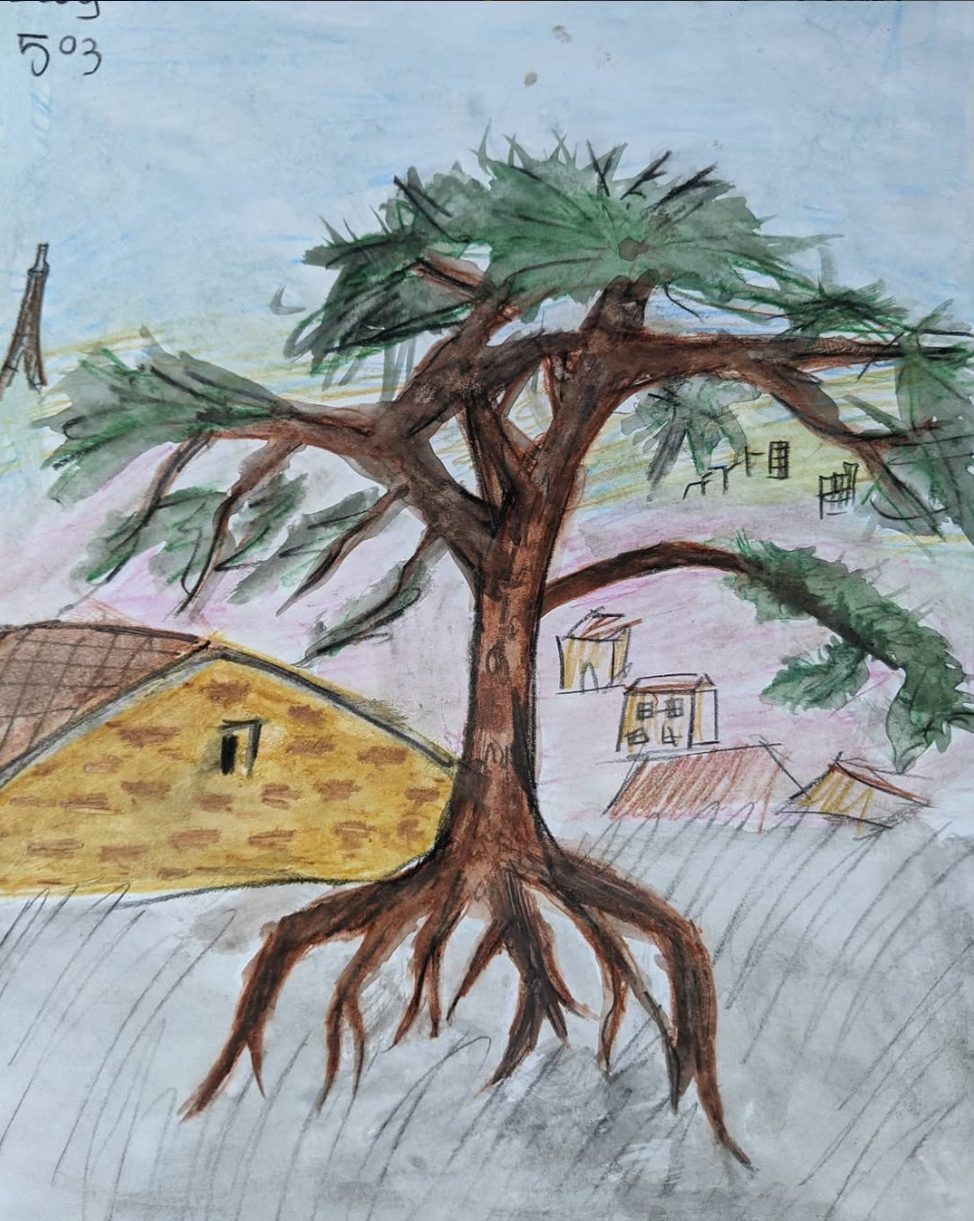
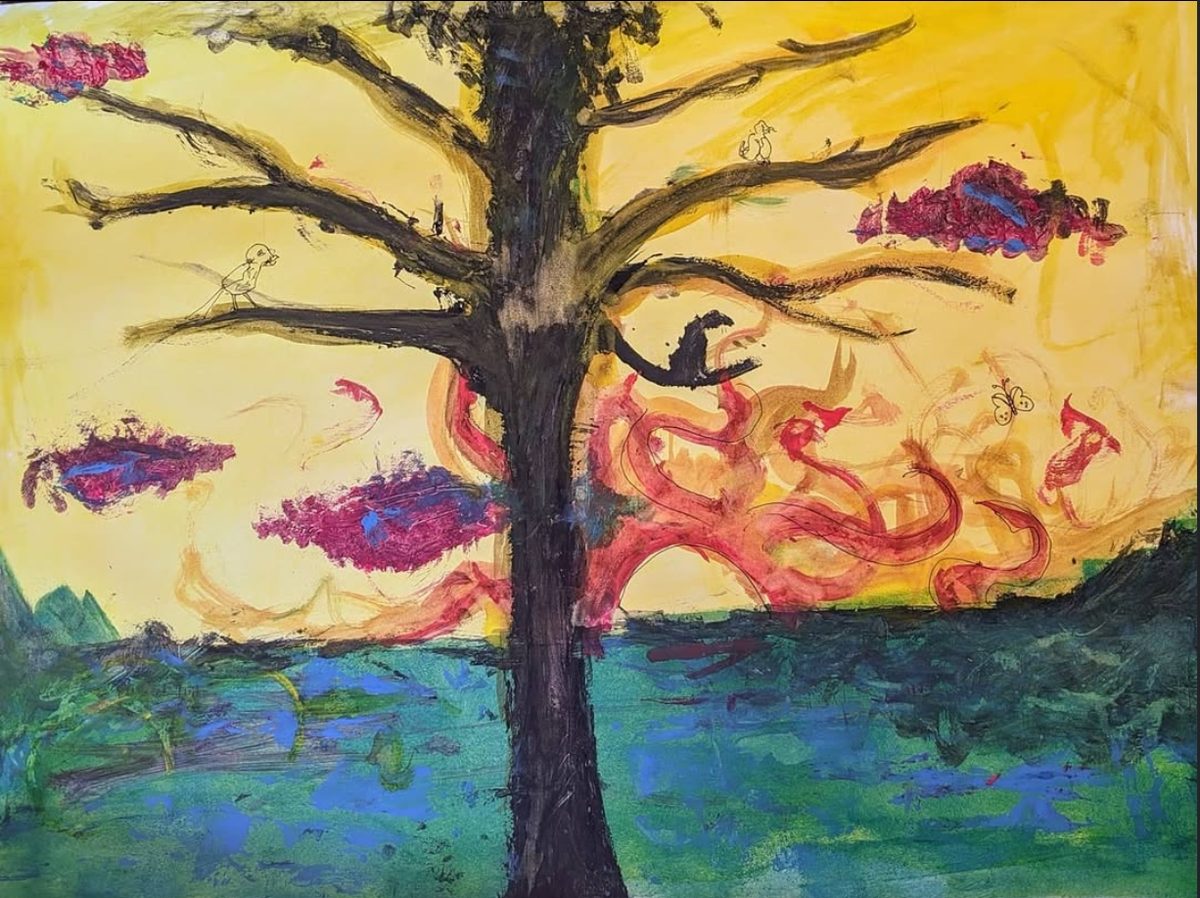
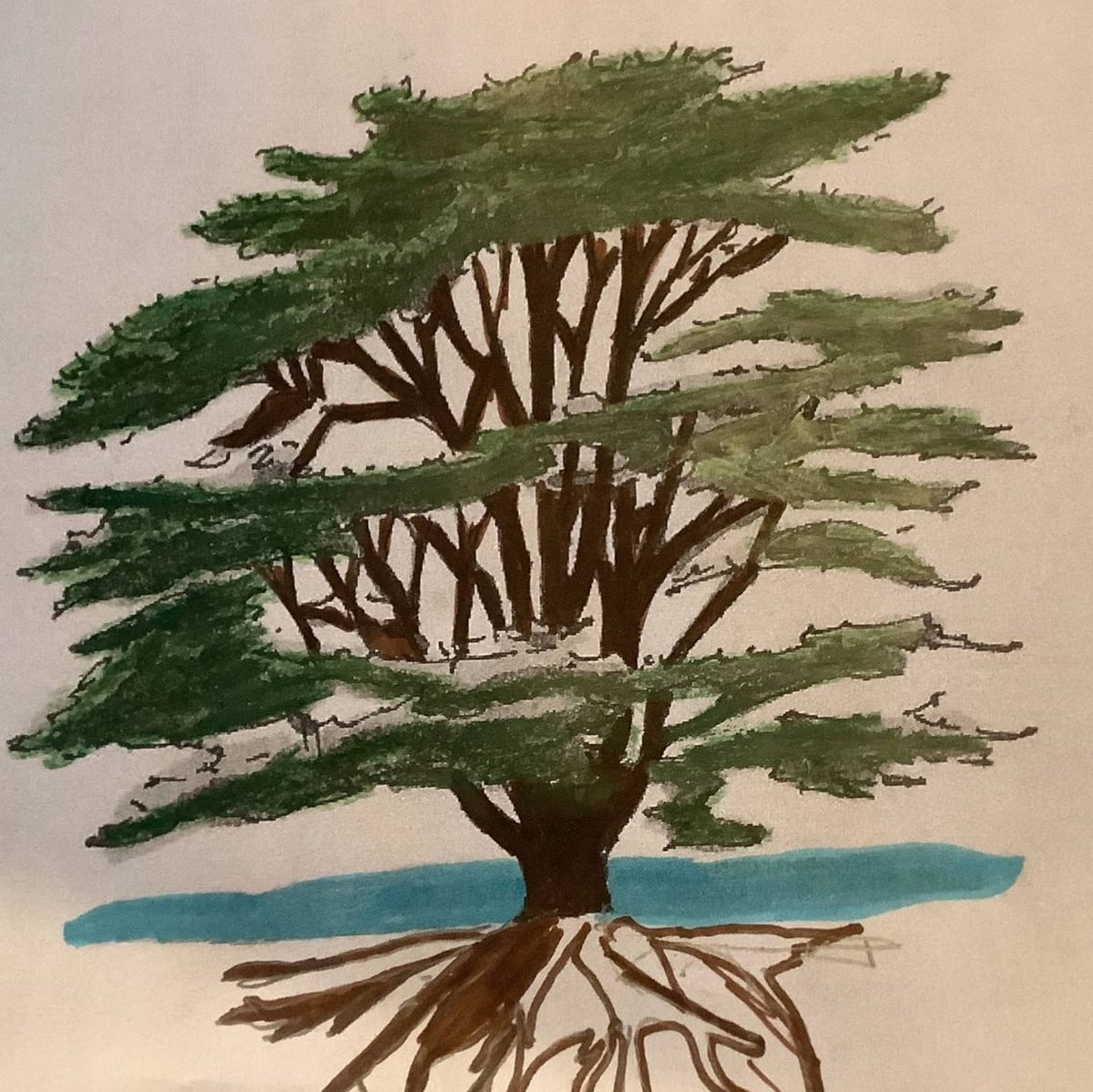
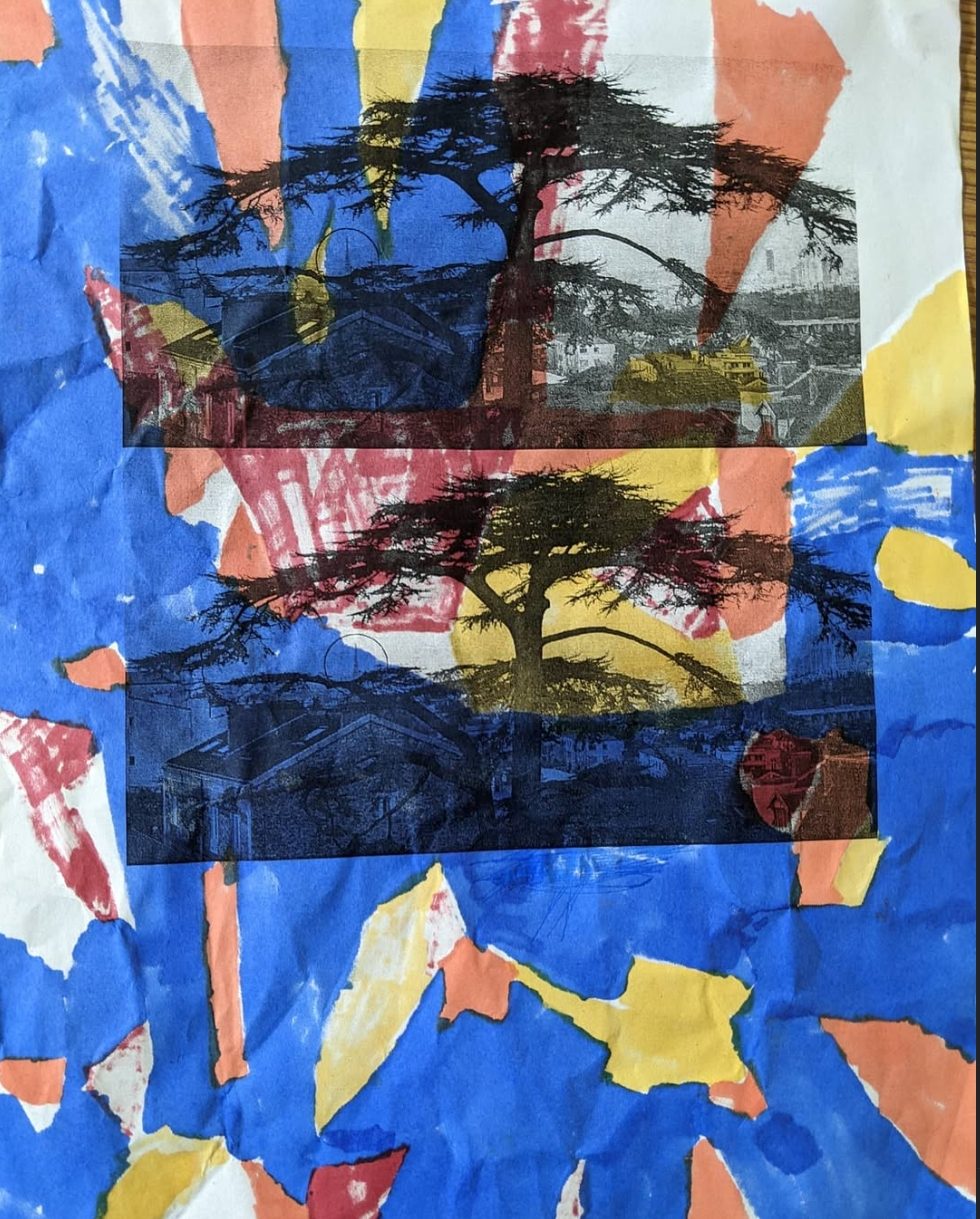
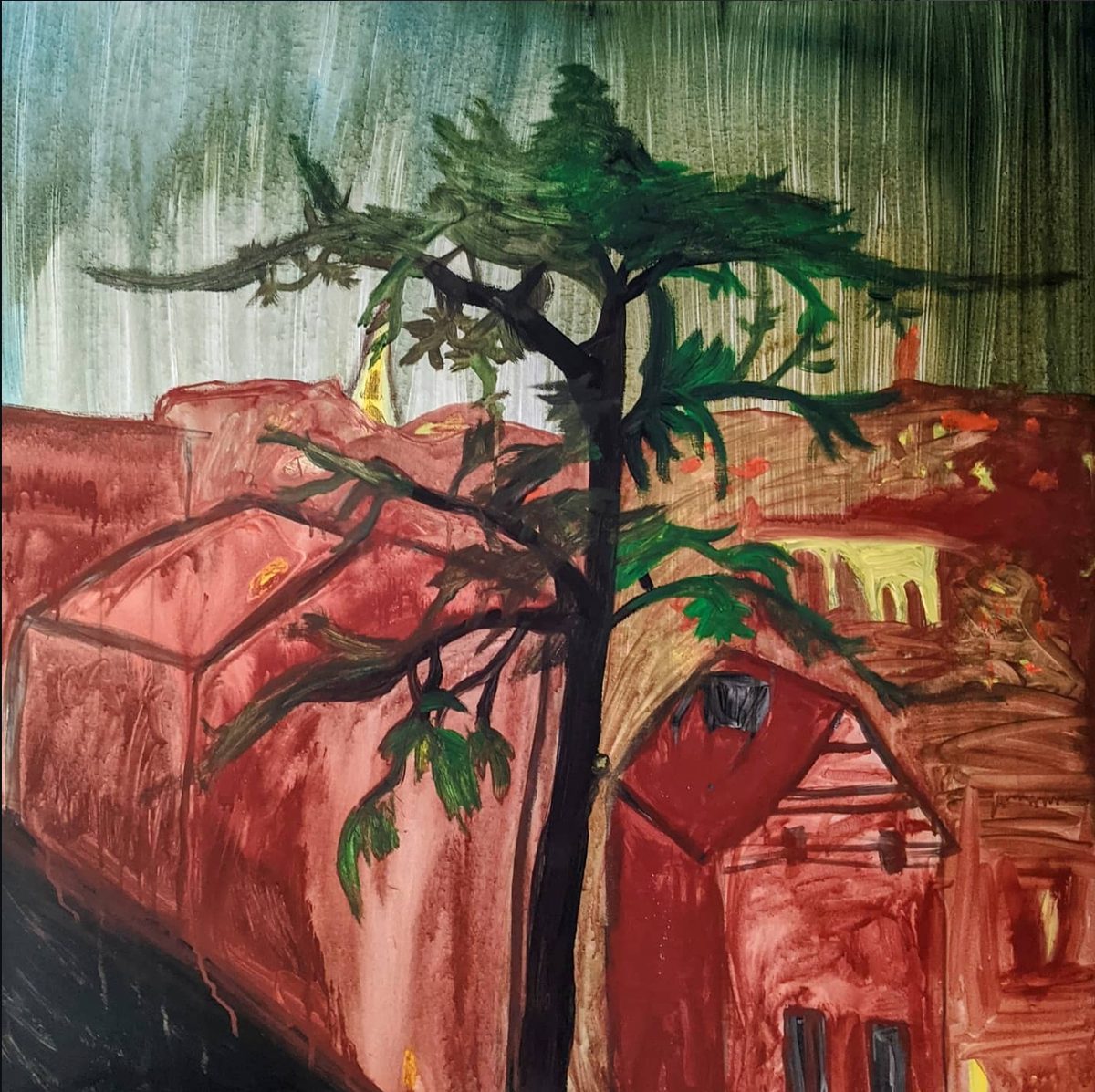
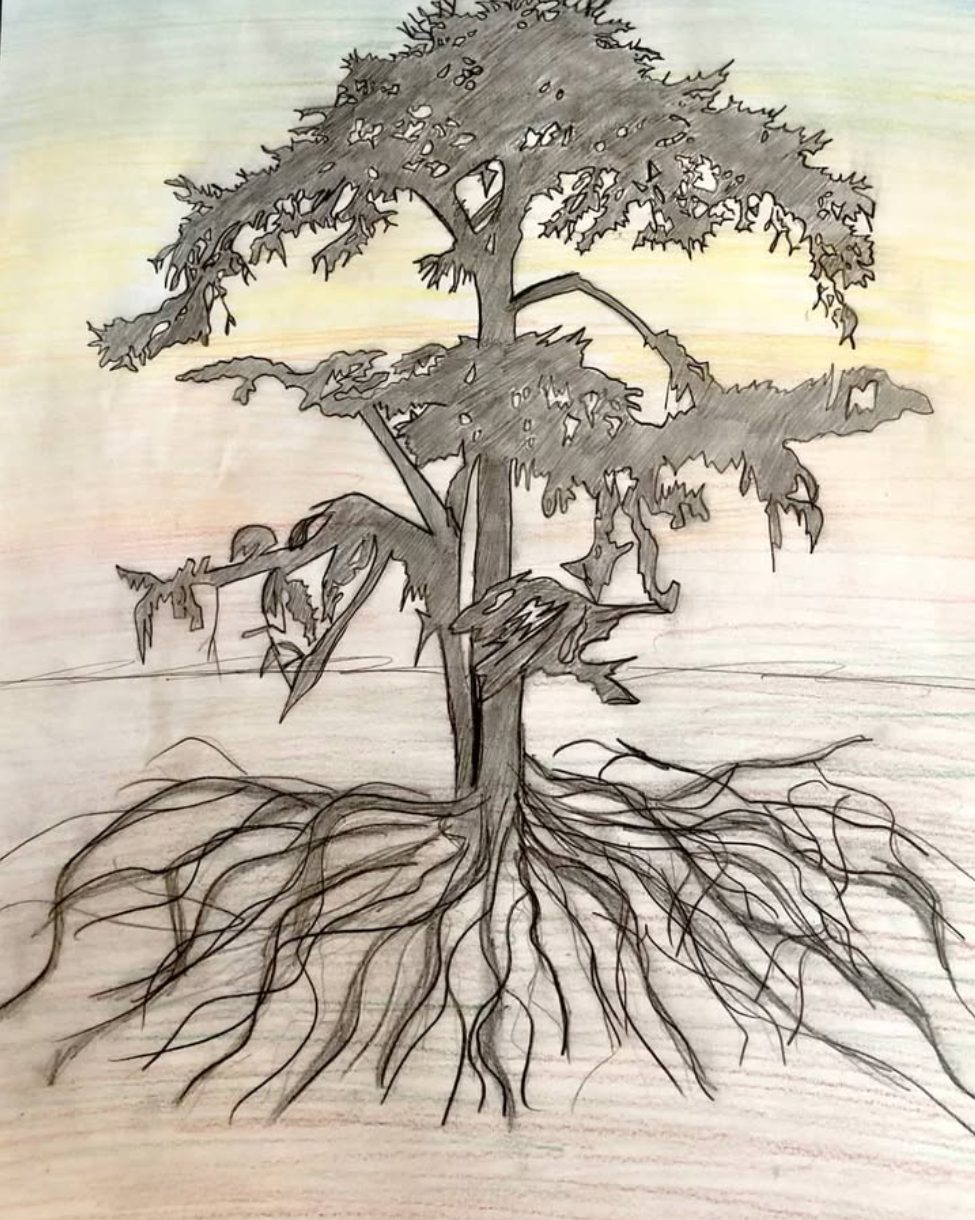
The principle was disarmingly simple. Once the scheme became known, people talked about the cedar at home and in classrooms; children picked up pencils and set about drawing the tree as they imagined it, or as they saw it from the street. More than a hundred drawings were gathered together, and then exhibited.
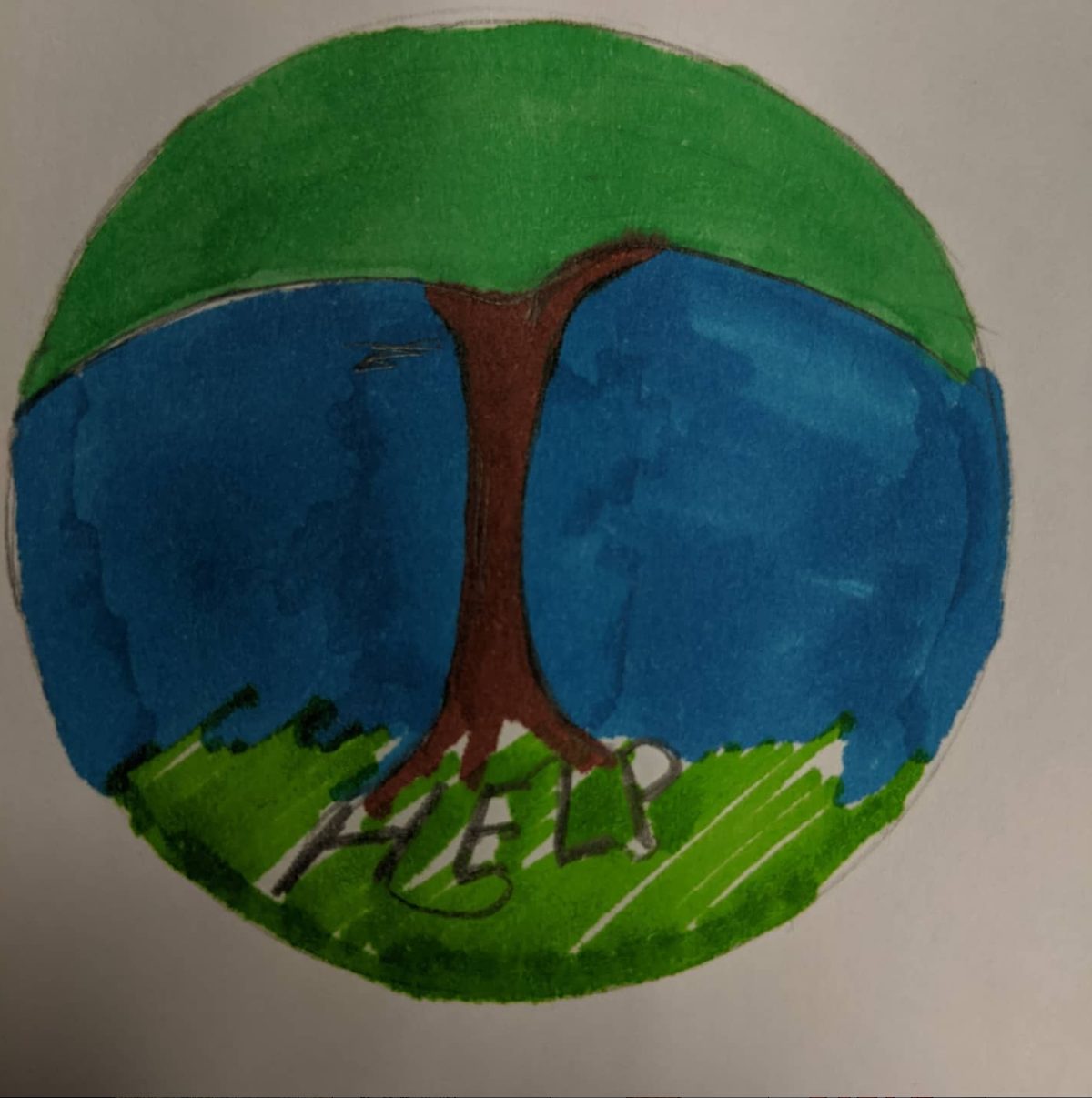
Not one of them aims at botanical accuracy. The outlines are approximate, the proportions free, the colours often brighter than life. That is exactly what makes them interesting: they are not trying to describe the tree, they are trying to defend it.
A cedar whose roots spell SOS
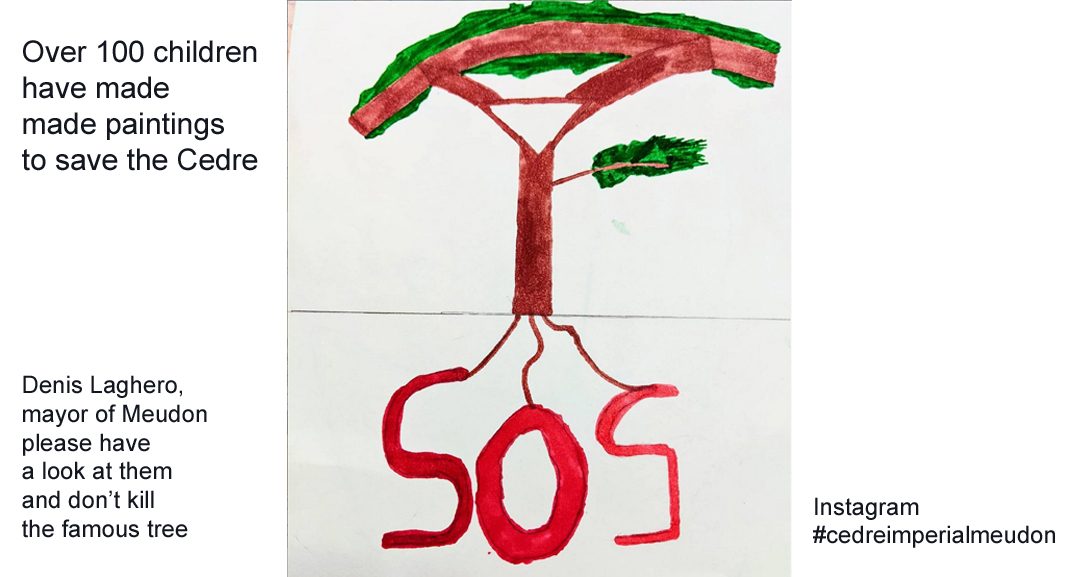
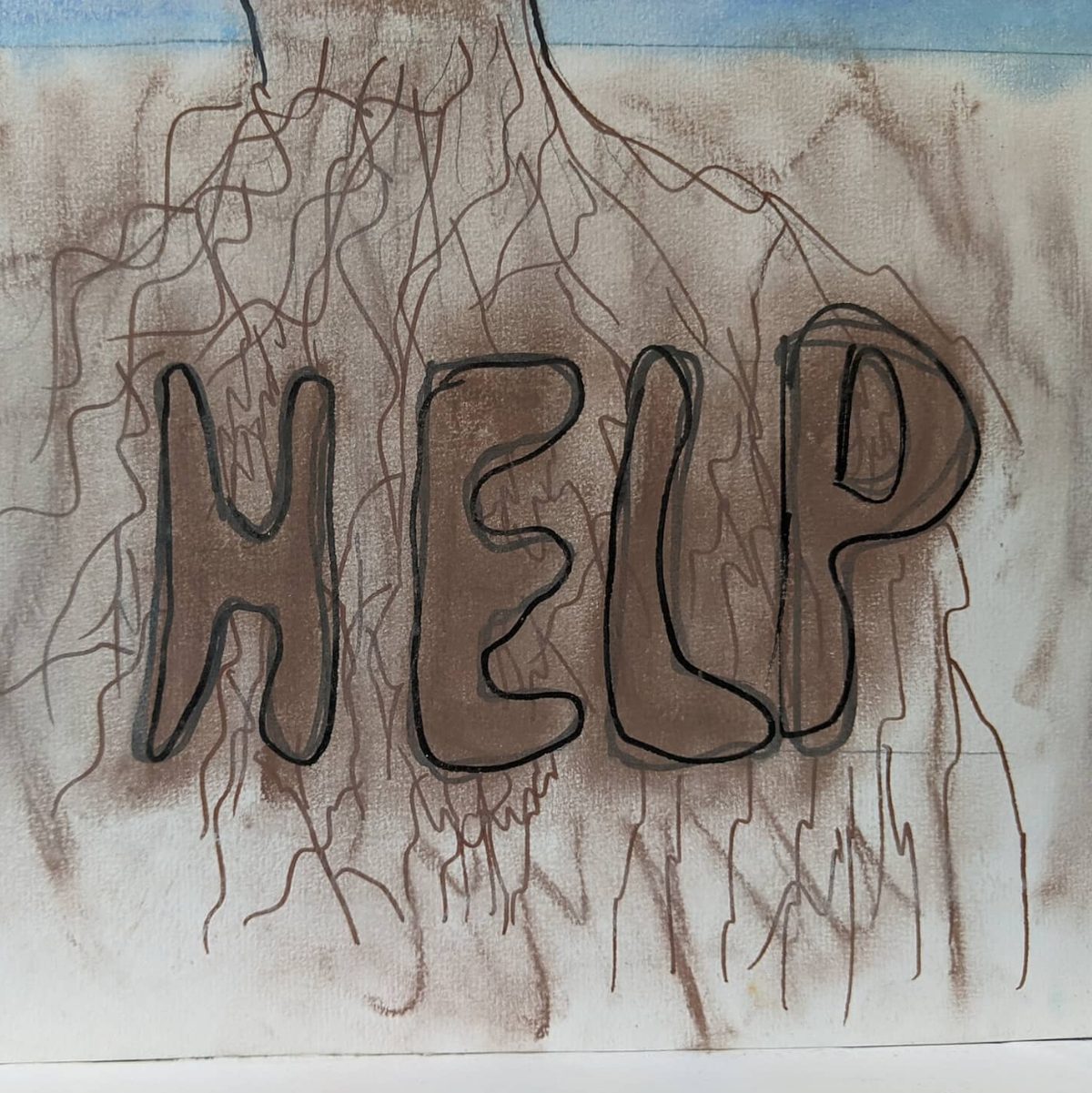
A few images stood out from the rest and travelled a great deal further. The most striking shows the cedar with its roots, as they sink into the ground, forming the three letters SOS — above an appeal addressed directly to the mayor of Meudon. Nobody had asked for anything of the kind: the child arrived unaided at a formula that months of official correspondence could not have put better.
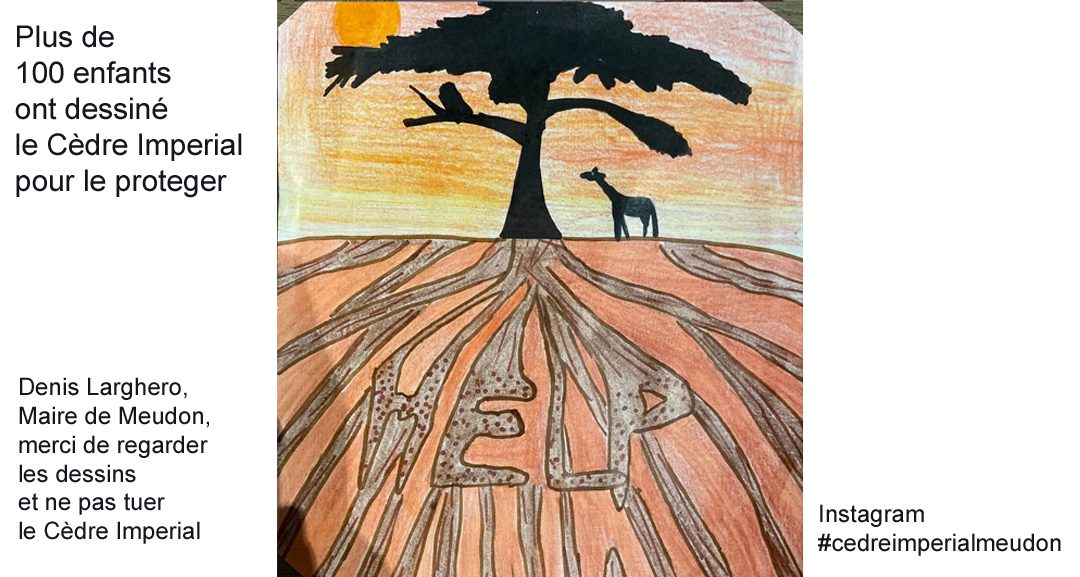
Another sheet places the cedar beside a giraffe, as though the tree already belonged to a bestiary of its own — the one reserved for things too large and too rare to be allowed to disappear.
Drawings that went well beyond Meudon
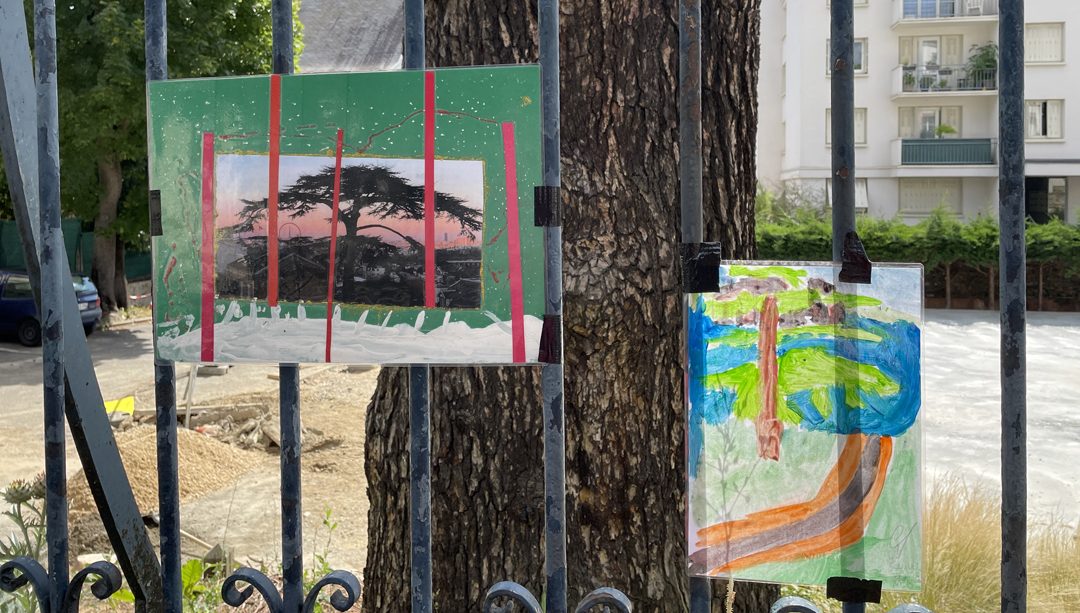
The drawings very quickly stopped being a local affair. Children in several countries took part, sending in their sheets for a tree they had never seen. In Paris, the Cremerie de Paris put on an exhibition of them, giving these pieces of paper a place and a visibility the campaign would not otherwise have won. Hung side by side, the drawings produced an effect none of them had on its own: the effect of sheer number.
The drawings, one by one
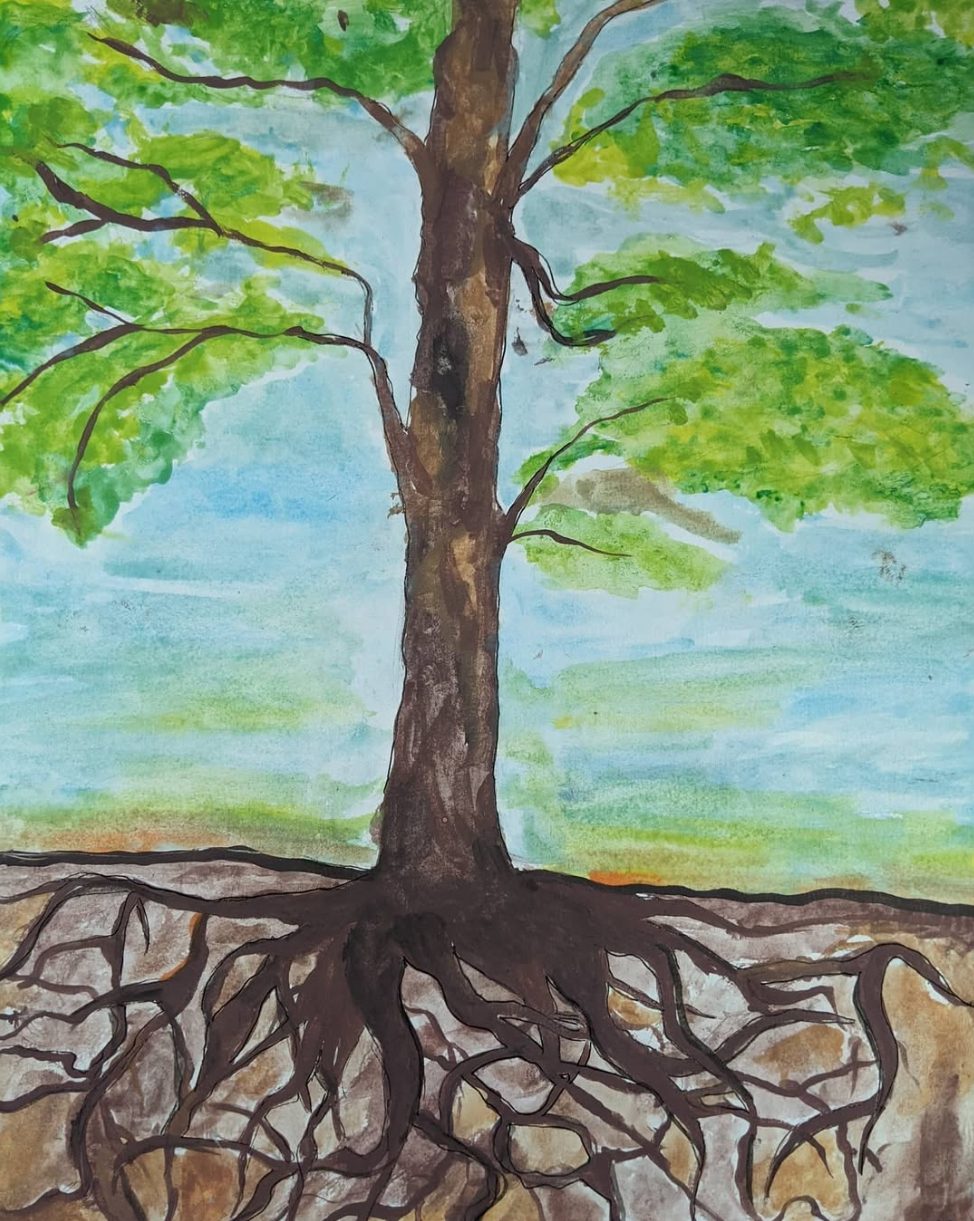
Ten of the drawings, shown here at full size. They come from the campaign’s own Instagram account, @cedreimperialmeudon9, and are reproduced here so they can be seen without leaving the page.
1 / 10
Disinterested testimony, and an archive
What gives these drawings their weight is not their graphic quality: it is what they demonstrate. A child drawing a tree has no interest to defend, no property to protect, no mandate to invoke. Nothing is expected in return. The drawing is disinterested testimony, and that disinterestedness is what makes it hard to set aside.
These sheets also form an archive. They date the campaign precisely, they attest to its scale, and they preserve a record of what the tree meant to people of different ages and different countries. This is the sort of material that will feed a future heritage-recognition file: the value of a remarkable tree is measured not only by its trunk, but by how much it counts for people.
February 2021
A property development threatens the Imperial Cedar; felling becomes a real possibility.
2021
The campaign takes shape and hundreds of children draw the tree to ask for its protection.
2021
More than a hundred drawings are gathered and exhibited, notably at the Cremerie de Paris.
2021
The tree is saved: it was not felled.
"A child's drawing defends no interest of its own. That is precisely why it stands as evidence."
Association pour le Cèdre — ARCBMWhat the drawings asked for, and what threatens the tree now
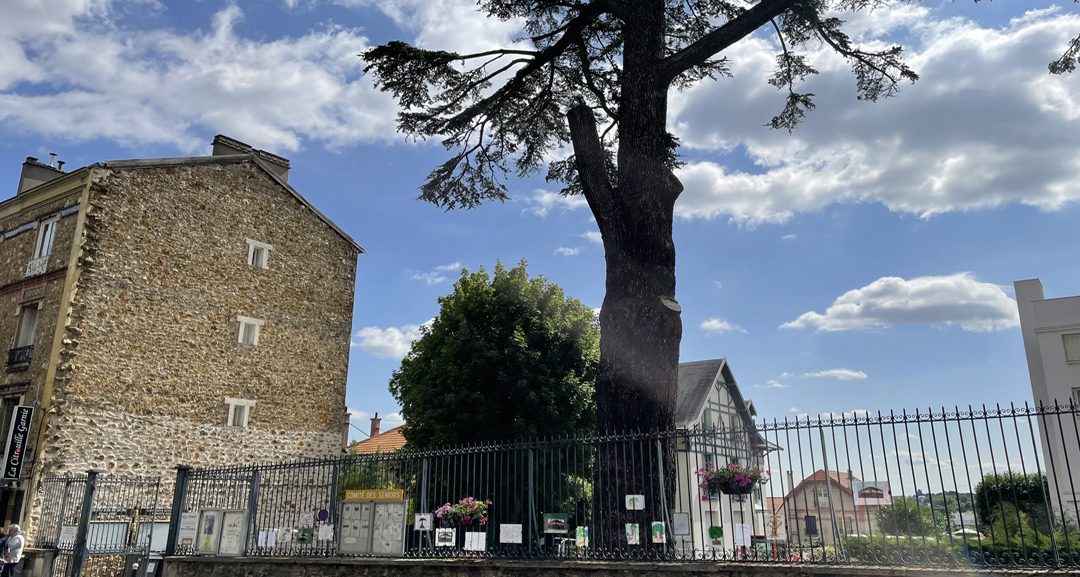
These drawings should be read for what they were: a request not to fell. In 2021 the danger had a simple, visible shape — a chainsaw and a building permit. That battle the tree won.
Today's threat has nothing spectacular about it. The sealed ground around the cedar stops it drinking: rainwater runs off the concrete instead of reaching the roots. There is nothing to photograph and nothing to draw — and that is exactly what makes drying out more dangerous than felling.
To go further
Films and documentaries that set the scene for this chapter. They are not about the tree itself.
The children’s drawings for the Imperial Cedar
The threat has changed
These drawings asked that the tree not be felled. Today it is the sealed ground that is drying it out.